Welcome to my next edu-blog post. In this post I explore the challenges posed in the Personal development and Wellbeing evaluation area in the new Ofsted framework. This is a single focus in this Chisnell Chatter as the article is a 5 minute read. I hope you find this useful to your role.
Ofsted – Personal Development and Wellbeing
As the 2025 Ofsted framework begins to unfold, school leaders are increasingly asking how personal development and wellbeing will feature in inspection. I recently delivered a briefing for school leaders on Personal Development and Wellbeing and thought the key points are worthy of sharing with you.
While wellbeing is not a discrete judgement area, the direction of travel is clear: inspectors are increasingly interested in the culture of schools — how pupils grow as people and how leaders create sustainable environments for staff and pupils to thrive. In other words, personal development is no longer an “add-on”. It is a central part of what makes a school successful.
Personal Development: Beyond the Classroom
Ofsted’s expectations continue to emphasise how schools prepare pupils for life beyond academic outcomes.
Inspectors will typically explore how schools develop pupils’:
confidence and character
sense of responsibility
understanding of society
readiness for the next stage of education or employment
This includes opportunities for pupils to develop leadership, resilience and independence through meaningful experiences.
Strong schools ensure pupils (particularly disadvantaged, SEND and pupils who have been in social care) can access:
leadership opportunities
debating and public speaking
creative and cultural experiences
community engagement
sport and outdoor education
Crucially, inspectors will look at who participates, not just the offer you provide.
The key question is often:
Do all pupils benefit, or only the most confident?
Inclusion and Belonging
A growing theme in inspection conversations is belonging.
Leaders should ensure that personal development opportunities are accessible to every pupil, particularly:
disadvantaged pupils
pupils with SEND
pupils with poor attendance
pupils who may feel marginalised
In strong schools, enrichment and personal development are carefully designed so that no group is left behind.
Wellbeing: A Cultural Indicator
Although Ofsted does not formally inspect staff wellbeing, the culture created by leadership is increasingly part of inspection dialogue.
Inspectors may explore how leaders support sustainable working practices through:
sensible approaches to workload
meaningful professional development
collaborative cultures
support for early career teachers
Schools that prioritise professional growth and psychological safety often find that staff confidence and pupil outcomes improve together.
The Link Between Wellbeing and Achievement
The emerging narrative within inspection is that engagement, belonging and wellbeing influence learning.
Pupils who feel:
safe
known
supported
are more likely to attend regularly, participate in learning and achieve well.
Personal development therefore contributes directly to the broader inspection focus on achievement and engagement.
Questions for School Leaders
As leaders prepare for the evolving framework, a few questions are worth asking:
Do all pupils access meaningful enrichment opportunities?
Are disadvantaged pupils fully included in wider experiences?
Do pupils develop leadership, confidence and character?
Does the culture support staff growth and sustainable working practices?
Is personal development woven through the life of the school rather than confined to isolated programmes?
The Leadership Challenge
The most successful schools understand that personal development is not a programme — it is a culture.
When leaders create schools where pupils experience belonging, opportunity and purpose, academic success tends to follow.
In the evolving Ofsted landscape, the challenge is not simply to demonstrate provision, but to show that young people are genuinely growing into confident, capable citizens.
And that, ultimately, is the purpose of education.
Finally, here are some common strengths in schools I have led and worked with:
1) leaders have deliberately planned and sequenced the personal development programme in line with statutory guidance; its elements are taught throughout the school, and reflected in its ethos and values
2) leaders are ambitious for pupils in all elements of personal development; pupils are clear about these expectations and value both the programme and the support and guidance they receive from staff
3) leaders have clear aims for personal development and understand what it means for pupils to get better in a particular aspect (this is often articulated in the school’s equality objectives).
4) subjects are led and taught by subject specialists who place an emphasis on wider opportunities within their curriculum design
5) systems are in place to assess whether pupils have gained from what they have learned or experienced so that no child falls behind
6) systems are in place to monitor the quality of teaching in PSHE with a lens on personal development
7) pupils have rich and varied opportunities to gain the knowledge and skills they need to keep themselves safe, prepare them for life in modern Britain (pupils know, name and apply the fundamental British Values), and develop their talents, interests and character
8) leaders have considered the different needs of their pupils, particularly disadvantaged pupils and pupils with SEND, and planned the programme to meet those needs.
And finally…
If you would like me to work with you then do get in touch. We can have a coffee and a chat. The graphic below shares some of the ways that school and trust leaders have used me in the past year. As always, happy to engage in bespoke work that suits your needs.
Here is a flavour of the support I give:
Safeguarding reviews
Pupil Premium reviews (very pertinent with the focus on disadvantaged in the new framework)
Attendance reviews (this involves coaching for action planning and new practice)
Independent investigations for capability and complaints
Initial Ofsted call coaching
Website reviews
Trust reviews (aligned to the Ofsted Trust Summary Evaluation Framework)
New framework training for subject leaders / senior leaders (many options available including live coaching of learning walks).
Twilight staff training for research practice
Twilight staff training for inclusion and adaptive practice for subject leaders
My work is gained by word of mouth so my final humble plea is that if you have valued my work then please share this with colleagues.
Welcome to my next edu-blog post. In this post I explore the recent Education White Paper, formative assessment, the wisdom of Mary Myatt and consultation release of Keeping Children Safe in Education 2026. All essential reads for those in school leadership. Oh, and I also reflect on the importance of kindness in leadership.
Every Child Achieving and Thriving
Published on 23 February 2026, the Government’s schools White Paper sets out a long-term vision for education in England up to the 2030s, emphasising inclusion, high standards and redesigned school support structures.
Core aims and commitments include:
1. Raising attainment and closing gaps
A national ambition that pupils leave school with improved qualifications — e.g., an average GCSE grade 5 or higher across the system.
A specific goal to halve the attainment gap between disadvantaged pupils and their peers.
2. Transforming inclusion and SEND support
A major reform of the special educational needs and disabilities (SEND) system, moving toward new tiers of support — Individual Support Plans and Specialist Provision Packages.
Only the most complex needs would retain legally enforceable Education, Health and Care Plans (EHCPs), while others receive statutory support plans locally in mainstream schools.
A £3.8–£4 billion investment to boost SEND provision, train teachers and expand specialist capacity.
3. Broadening the school experience
A push from “narrow to broad”: enhancing enrichment, arts, citizenship, oracy and digital learning alongside core literacy and numeracy.
Schools encouraged to embed arts and other creative experiences more deeply.
4. Teacher workforce and leadership
Plans include targeted incentives to recruit and retain teachers, especially in schools that face recruitment challenges.
A strategic plan for 6,500 additional teachers is set out alongside the White Paper.
5. Stronger engagement and attendance
A renewed focus on raising attendance levels and pupil engagement, with expectations for schools to monitor and act on belonging and participation.
6. System structure and accountability
Encouragement — and in some areas expectation — for schools to work in stronger collaborations, including trusts which can support improvement and inclusion at scale.
Changes to admissions and exclusions policy are also under consideration to further fairness and reduce off-rolling.
So What Happens Next? Policy vs Implementation
White Papers in the UK are policy proposals and intentions, not legislation. They influence future bills, regulations or statutory guidance — but they do not themselves change the law. Any statutory reforms to SEND, curriculum, assessments or trust governance will require new legislation or regulation that Parliament must pass.
What this means for schools:
✔ Immediate planning and consultation responses are expected
✔ Existing law (e.g., current SEND Code of Practice, accountability frameworks) remains in force until any new legislation passes
✔ Some proposals — particularly structural or statutory changes — may take several years to implement
What This Means for School Leaders and Governors?
Respond to the consultation: Many reforms invite formal responses from schools, families and trusts.
Plan for inclusion, not just compliance: The focus on inclusion benchmarks and engagement could shape inspections and accountability.
Watch legislative developments: School policy, accountability and SEN frameworks may shift significantly once the consultation closes and legislation is drafted.
Formative Assessment
Formative assessment doesn’t fail because the idea is wrong. It fails because the implementation is weak. Kate Jones writes about the importance of getting formative assessment right in a recent blog post A summary of evidence based formative assessment strategies.
Dylan Wiliam defined it simply:
Use evidence in real time to modify teaching and learning.
Not marking. Not data walls. Not coloured pens. Real-time adjustment. Yet in many schools it becomes:
Most schools jump straight to “Deliver.” No exploration. No shared understanding. No sustained support. We then call it inconsistency.
If you want formative assessment to work, stop asking: “Are teachers doing it?”
Start asking:
“Is teaching changing because of it?”
“Are misconceptions surfacing earlier?”
“Can pupils explain what quality looks like?”
Formative assessment isn’t a strategy.
It’s disciplined professional craft — sustained through intelligent implementation.
Completed work is not learning – the wisdom of Mary Myatt
Mary Myatt recently published a LinkedIn post on this issue and it is worthy of a read. As always, Mary grounds us in common educational sense, she reminds us that completed work is not the same as learning. For those who are not on LinkedIn (seriously, where have you been since the fall of Twitter?) her sis her post:
I’ve sat with pupils, talking about what they’ve been learning, their books full of neat handwriting and ticked boxes.
“Can you tell me something interesting that you’ve learned about recently?” I say.
Too often, the response is “I don’t really remember.”
The work was done, but the learning hadn’t stuck.
This is what happens too often when we offer tasks that keep children busy, worksheets that get finished, but where there’s no real thinking underneath.
We praise completion because it’s visible. It feels like progress, but completion without understanding is an illusion.
What should leaders look for instead?
👉 Can pupils explain what they’ve learned in their own words, not just read back what they wrote?
👉 Are there opportunties to build in talk before writing? As James Britton said “Writing floats on a sea of talk.” Without discussion, pupils have fewer ideas to commit to paper.
👉 Is there evidence of thinking, or just evidence of finishing?
When we talk with pupils, what they can, and can’t tell us, reveals everything.
KCSIE 2026
Take a look at this helpful synopsis from Nicole and consultation for 2026 KCSIE. Some important changes are afoot. 👇
The DfE has launched the KCSIE 2026 consultation, with significant proposals affecting every school, trust, and college. Here are the headlines you need to know:
🔹 Part One – Safeguarding for All Staff • Removal of Annex A – all staff must now read full Part One • Alignment with Working Together • New Early Help indicators (e.g., repeated removals, part‑time timetables) • Clearer legal definitions of rape and sexual assault • Recognition that CSE victims may be criminalised through coercion • Expanded guidance on serious youth violence • Earlier expectation to consider LADO referrals
🔹 Part Two – Management of Safeguarding Mental Health: Clearer guidance on when concerns become safeguarding issues Gender Questioning: Integrated advice; legal duties on single‑sex spaces & sports Technical updates: • Racism & derogatory behaviour in preventative education • New AI safeguarding guidance • Annual filtering & monitoring reviews • Cybersecurity recognised as a safeguarding issue • Stronger expectations for AP, medical needs, SEND barriers • Improved information‑sharing, including DSL‑to‑DSL handovers
🔹 Part Three – Safer Recruitment • New SCR template • Clearer rules preventing unnecessary DBS checks for work experience
🔹 Part Four – Allegations • Trainee teachers explicitly included in all allegations processes • Safeguarding responsibility confirmed for all individuals on site
🔹 Part Five – Child‑on‑Child Abuse Revised structure aligned with the Hackett Continuum, clarifying: 1️⃣ Early HSB → 2️⃣ Sexual harassment → 3️⃣ Sexual violence
🔹 Annex Updates • Guidance on AI‑generated child abuse material & Financially motivated sexual extortion (FMSE) • Stronger expectations on DSL cover and required skills & experience
🔹 Evidence Base Development Views sought on: affluent neglect, AI risks, BSL version of KCSIE, Children affected by Domestic Abuse (CADA), grooming gangs, gaming platforms, sextortion, non‑criminal HSB, staff self‑referral, Teenage relationship abuse (TRA), verbal abuse, and DSL workload.
📢 Have your say These proposals will shape safeguarding practice for years to come. Every voice matters: DSLs, teachers, governors, leaders, safeguarding partners, alternative provision providers, and social care colleagues.
I provide safeguarding audits for schools. This involves a two day on-site review with a full actionable report. Get in touch if you would like to talk this through.
Kindness in leadership
Kindness. Not the fluffy, laminated-on-the-wall kind. The disciplined, deliberate, courageous kind.
In school leadership, kindness is often misunderstood. It is not avoiding difficult conversations. It is not lowering standards. And it certainly isn’t trying to be liked.
Kindness is clarity delivered with care.
In a climate of sharper accountability, rising parental expectation and increasing staff pressure, the temptation is to harden. To become transactional. To manage by spreadsheet.
Here’s what I’ve learned working with headteachers, trust leaders and middle leaders:
Kindness is a leadership strategy.
It looks like:
• Pausing before responding to an email that raises your blood pressure • Asking, “What’s happening for you?” instead of “Why hasn’t this been done?” • Giving precise feedback without stripping someone of dignity • Holding the line on expectations while holding people steady
Kindness creates psychological safety.
And psychological safety creates performance.
Staff who feel respected: ✔ take more risks in their teaching ✔ admit mistakes earlier ✔ engage more honestly in professional dialogue ✔ stay longer
In other words — kindness improves outcomes.
But here’s the twist.
Kind leadership is often harder than directive leadership.
It requires: • Emotional regulation • Deep listening • Moral courage • Consistency under pressure
It means having the uncomfortable conversation — but doing it in a way that says, “I believe in you enough to be honest.”
The schools I see thriving right now aren’t the loudest or the most performative. They are the ones where leaders are steady, humane and intentional. In a sector under strain, kindness isn’t weakness. It’s resilience in action.
And perhaps the uncomfortable question for us as leaders is this:
When the pressure rises, do people experience more of our authority — or more of our humanity?
Above all – in leadership, be kind.
And finally…
If you would like me to work with you then do get in touch. We can have a coffee and a chat. The graphic below shares some of the ways that school and trust leaders have used me in the past year. As always, happy to engage in bespoke work that suits your needs.
For those who have undertaken my professional training programme for subject leaders and senior leaders in the past, you may be interested in my updated programme that aligns to the new 2025 Ofsted Inspection Framework. This will empower your subject leaders to attune their practice to the inspection framework while strengthening their own professional knowledge and impact on pupil outcomes.
Welcome to my second January 2026 edu-blog post. Busy, busy, busy!
The next (FREE)Chisnell Chatter Live session will take place in cyberspace on Wednesday February 26 2026 at 8:00am-8:30am and will focus on Inclusion and Inspection – embedding adaptive practice. With the focus on the quality of teaching and curriculum, particularly for disadvantaged pupils, pupils with SEND and those known to social care in the Ofsted framework, this is an engaging session for all school leaders. Here are the Zoom joining instructions:
As ever, do get in touch if you would like any support, training or coaching for you or your teams.
Mobile Phones – to ban or not to ban…
Phones off. Phones away. Phones… occasionally spotted in blazers and socks. The updated government guidance on mobile phones has turned a familiar school issue into a live inspection consideration – and it’s one leaders can’t afford to ignore.
The DfE has published Updated Mobile Phone Guidance, here is what It Means for School Inspections 🎓
The Department for Education has strengthened guidance on mobile phone use in schools and Ofsted will now explicitly reflect this in inspections from 1 April onwards.
Here’s what leaders need to know:
🔹 Phone-free by default – The expectation is clear: schools should be mobile phone-free environments by default, with any exceptions well-justified and consistent.
🔹 Inspection focus – Inspectors will actively evaluate mobile phone policies as part of behaviour, attendance and attitudes. They will expect to see: • A clearly communicated policy to staff, pupils and parents • Consistent understanding and implementation across the school day • Evidence of impact on behaviour, learning and wellbeing.
🔹 Policy rationale matters – If a school chooses to allow exceptions, inspectors will want to understand the reasoning and evidence behind that choice — not just the policy itself.
🔹 Context in inspection judgements – Mobile phone policy won’t be assessed in isolation — it will be considered alongside how effectively leaders shape culture and safeguard pupil wellbeing.
What this means for leaders: ➡️ Now is the time to ensure your phone policy is tight, effective, and consistently enacted. ➡️ Clear communication with staff, pupils and parents should underpin your approach. ➡️ Be ready to explain not only what your policy is, but why and how it supports behaviour, learning and wellbeing.
Great policy without great implementation won’t stand up to inspection scrutiny and that’s where leadership makes the difference.
Feedback and Adaptive Teaching: What Leaders Need to Know
In classrooms where learning thrives, feedback isn’t an add-on, it drives the way teaching responds to pupils’ needs in real time. The Education Endowment Foundation’s recent blog highlights how effective feedback underpins adaptive teaching and supports better outcomes for all pupils. The new Ofsted Framework has a tenacious focus on inclusion, as such, effective adaptive teaching is key to engaging our most vulnerable students. Here are 5 key points outlined in the EEF’s blog.
1. Understanding Adaptive Teaching
Adaptive teaching is less about rigid plans and more about what pupils show us they understand. Teachers gather evidence of learning continuously — through techniques like mini-whiteboards, hinge questions, and varied response methods — so they can tailor their next steps in the moment.
2. Checking for Understanding
Effective feedback begins with checking for understanding that is:
Connected to clear learning goals
Inclusive of all learners, not just volunteers
Safe for pupils to reveal partial ideas or mistakes
This evidence becomes the foundation for meaningful feedback.
3. Responding — Adapting to Move Learning Forward
Once teachers know where pupils are, they can adapt:
Pause and reteach when many haven’t grasped key ideas
Adjust support for those who are unsure
Extend learning for those ready to go furtherThese professional decisions ensure that instruction meets learners where they are, rather than where the plan assumed they’d be.
4. Feedback as an Ongoing Cycle
Feedback isn’t a single event at the end of a task — it’s a cycle that:
Uncovers learning
Speaks directly to pupil thinking
Shapes what happens nextThis ongoing cycle builds confidence and keeps learning moving.
5. Leadership Implications
For leaders, strengthening feedback and adaptive teaching means:
Supporting formative assessment cultures: prioritise techniques that gather rich, immediate evidence from all pupils.
Investing in professional learning: feedback practice requires nuanced teacher judgement and skill.
Monitoring practice thoughtfully: walkthroughs, coaching, and reflective dialogue can help teachers fine-tune how they check and respond in the moment.
In short: feedback + adaptive decision-making = teaching that truly meets pupil needs. When teachers get better at reading the room and leaders help them do so; learning becomes both more visible and more equitable.
Kate Jones, in a recent blog for Evidence Based Education asks: what really counts as effective feedback? In her recent article, Kate Jones reflects on how well-intentioned classroom practices — including some forms of feedback — can sometimes look effective without actually improving learning. Drawing on the concept of “poor proxies” from research by Rob Coe and colleagues, she challenges leaders to rethink what counts as meaningful feedback in teaching practice.
1. Beware of Poor Proxies for Learning
Some classroom behaviours are often mistaken for evidence of learning or good teaching — and this includes some feedback practices. Examples of such poor proxies include:
Students being busy or engaged
Written feedback that looks substantial
A calm, ordered classroom
Curriculum content that’s been coveredThese are positive conditions, but they aren’t reliable indicators that learning is progressing.
2. Not All Feedback Really Advances Learning
Jones identifies common feedback practices that can appear effective but often don’t help students improve if they aren’t acted on:
Extensive written comments — look impressive, but rarely impact learning if students don’t read, understand, or act on them.
Stamps or stickers — motivating, perhaps, but not informative about next steps.
Generic praise — boosts confidence but doesn’t tell learners what was effective or what to do next. Precise praise — which highlights specific actions — is far more useful.
Ticks/flicks — confirm checking, but often don’t communicate why an answer is correct or what to improve.
3. The Real Measure of Feedback
The strongest indicator of effective feedback isn’t the presence of comments or marks — it’s what students actually do with it. As Dylan Wiliam and Siobhan Leahy aptly put it:
“The only thing that matters with feedback is the reaction of the recipient.”
In other words, feedback must prompt change — guiding learners to act, revise, and deepen understanding. That’s when feedback makes a real impact.
4. Leadership Implications
For leaders striving to build feedback cultures that genuinely improve learning:
Look beyond surface indicators: Don’t equate busy books or lots of written comments with impact.
Focus on learning behaviours: Emphasise feedback that generates student response, improvement, and metacognitive growth.
Support professional learning: Develop shared understanding of what quality feedback looks like — and how to recognise whether students act on it.
In short: Effective feedback is about learner action, not teacher output. As leaders, shifting attention from proxy behaviours to actual learning responses will ensure feedback drives improvement, not just appearances.
Kaizen – The Japanese Secret That Makes Progress Feel Effortless
In a post on LinkedIn, Eric Parker introduces the Japanese concept of Kaizen. We often assume success comes from big breakthroughs. A bold decision. A dramatic change. A defining moment. In reality, most lasting improvement comes from something far quieter.
Kaizen
A Japanese philosophy that simply means “change for the better.” Not all at once. Not perfectly. But consistently. Originally rooted in Japanese industry and business, Kaizen has a powerful lesson for leadership, learning, and life: small steps, repeated over time, create extraordinary change.
Why Kaizen Works
Kaizen succeeds where grand strategies often fail because it is:
Simple and sustainable – no overwhelm, no reinvention
Momentum-building – progress creates motivation
Mistake-friendly – errors become information, not failure
It removes the pressure to transform overnight and replaces it with permission to improve gradually.
Putting Kaizen into Practice
1. Choose one thing
Start small. One habit. One routine. One behaviour.
Improve it by a fraction. Small change lowers resistance.
2. Learn from mistakes
Something didn’t work? Good.
Ask why, adjust, and carry on. Kaizen treats missteps as data.
3. Celebrate small wins
A quicker process. A clearer explanation. A calmer response.
Progress doesn’t need applause – just recognition.
4. Value feedback
Others see what we can’t.
Listening well accelerates improvement.
5. Stay consistent
Kaizen isn’t about intensity.
It’s about showing up again tomorrow.
6. Involve others
Improvement grows faster in community.
Shared reflection strengthens commitment.
7. Reflect regularly
Pause and look back.
What’s better than it was last month? Last term? Last year?
8. Keep it simple
If it feels complicated, it probably won’t last.
The best changes usually are the quietest.
9. Be patient
Real growth is slow enough to feel invisible – until suddenly it isn’t.
10. Never stop
There is always another small improvement waiting to be made.
A Way of Thinking, Not a Technique
Kaizen isn’t a programme or a productivity hack.
It’s a mindset. Start small. Stay steady. Trust the accumulation of effort. And one day, almost without noticing, you’ll look back and realise:
The first Chisnell Chatter Live school leader briefing took place in November and focussed on attendance top tips. A recording of the session can be found here. Chisnell Chatter Live in December focussed on Pitch Perfect Pupil Premium and a recording of this can be found here. The third session focussed on Talent Pathways, a strategic approach to CPD and talent management in schools.
The next (FREE)Chisnell Chatter Live session will take place in cyberspace on Wednesday February 26 2026 at 8:00am and will focus on Inclusion and Inspection – great ideas for adaptive practice. With the focus on the quality of teaching and curriculum, particularly for disadvantaged pupils, pupils with SEND and those known to social care in the Ofsted framework, this is an engaging session for all school leaders.
If you would like me to work with you then do get in touch. We can have a coffee and a chat. The graphic below shares some of the ways that school and trust leaders have used me in the past year. As always, happy to engage in bespoke work that suits your needs.
For those who have undertaken my professional training programme for subject leaders and senior leaders in the past, you may be interested in my updated programme that aligns to the new 2025 Ofsted Inspection Framework. This will empower your subject leaders to attune their practice to the inspection framework while strengthening their own professional knowledge and impact on pupil outcomes.
As the decorations find their home in the loft and the strain of Christmas lunch abates, welcome to my latest Chisnell Chatter.
In this edition I explore the role of governance in quality assuring the school’s approach to safeguarding, the new Ofsted inspection framework’s lens on leadership and governance, dealing with bereavement in school, the DfE’s new guidance on use of reasonable force and much more.
My next Chisnell Chatter Live session will take place in cyberspace on Wednesday January 14 2026 at 8:00am and will focus on Talent Pathways – great ideas for professional development for staff. With the focus on the quality of teaching and curriculum, in the Ofsted framework, this is an essential listen to all school leaders.
Here are the Zoom joining instructions: Meeting ID: 879 8558 8794 Passcode: 290990
As ever, do get in touch if you would like any support, training or coaching for you or your teams. I have dates available in the coming weeks and months – get in early.
DfE releases: Use of reasonable force in schools
The Department for Education has published updated guidance on restrictive interventions, including the use of reasonable force in schools, which will replace the previous Use of Reasonable Force document from 1 April 2026. This is a significant shift in how schools should approach behaviour, safety, and safeguarding in practice.
Here’s what school leaders need to know:
🔹 Broader Scope than Before: The new guidance covers not only the use of reasonable force but also other restrictive interventions — including restraint and seclusion — and emphasises the full range of practices that may restrict pupil movement.
🔹 Statutory Recording & Reporting Duties: For the first time, schools will have a legal duty to record and report all significant incidents involving restrictive interventions (including seclusion and force) and to notify parents/carers as soon as practicable after an incident. This elevates transparency and accountability.
🔹 A Stronger Emphasis on Prevention: The guidance places a clear focus on early support, de-escalation and prevention, encouraging schools to minimise the need for restrictive interventions before they become necessary.
🔹 SEND Considerations: There is detailed advice on how to support pupils with special educational needs and disabilities (SEND) so restrictive approaches are used only when absolutely necessary and appropriate, and always with context-specific sensitivity.
🔹 Clear Expectations for Policy and Practice: Leaders are expected to review and update behaviour policies to:
• explicitly include restrictive intervention procedures
• set out criteria for appropriate use
• outline consistent, transparent recording and reporting processes
• embed evaluation and improvement planning
• support staff training and pupil wellbeing.
🔹 Focus on Reflection & Continuous Improvement: The new guidance encourages analysis of incidents with the whole school community to learn from critical events, refine behaviour support plans, and reduce future reliance on restrictive practices.
👉 In practical terms, this update signals a shift from reactive response to prevention, reflection and accountability, aligning safeguarding practice with broader culture, SEND support and partnership with families.
✔️ Leadership action points
• Review and update behaviour and restrictive intervention policies
• Establish clear recording and reporting systems ahead of April 2026
• Invest in de-escalation training for all staff working with students
• Ensure SEND plans explicitly address risk and prevention
• Communicate practices clearly with staff, pupils and parents
Here’s a summary of a super little article written by Vlad Glăveanu Professor of Psychology, Business School, Dublin City University. In the article, Vlad explores the challenges of identifying the needs of girls with ADHD symptoms.
New research highlights a critical issue for educators: ADHD in girls is frequently overlooked because it doesn’t fit outdated stereotypes. Traditionally, ADHD has been understood through a lens shaped by hyperactive, disruptive behaviours most common in boys. Teachers and professionals often look for these visible signs — but girls with ADHD tend to present differently.
🧠 Girls may show symptoms that are subtler and internalised, such as:
daydreaming
inattention
quiet distractibility
being disorganised rather than disruptive
emotional reactivity rather than physical impulsivity
Because these behaviours are often interpreted as personality traits, anxiety or simply “trying hard”, many girls go undiagnosed until their late teens or adulthood — sometimes with long-lasting impacts on self-esteem and wellbeing.
What this means for schools:
✔ Recognise that ADHD looks different across genders.
✔ Train staff to identify non-stereotypical presentations.
✔ Support early identification and meaningful accommodations rather than waiting for disruptive behaviour to occur.
✔ Foster awareness that hidden struggles can be as significant as visible ones.
Early recognition and support don’t just improve academic outcomes — they can also transform how young people see themselves. When we broaden our understanding beyond stereotypes, we unlock potential that may otherwise be overlooked.
Supporting Children Through Bereavement: A Quiet Lesson for Schools
The winter period can bring bereavement to many families. One of the most humane and quietly powerful books I’ve revisited recently is The Little Book of Bereavement for Schools by Ian Gilbert.
Written with his three children, the book is grounded not in theory, but in lived experience. It captures what schools did well, what they tried but missed, and what they sometimes avoided altogether when supporting a child after loss.
Its central message is disarmingly simple:
👉 bereavement doesn’t need fixing — it needs acknowledging.
The book offers practical, compassionate guidance for schools:
be honest and open rather than euphemistic
listen to the child rather than assume what they need
support classmates to respond with empathy
think carefully about curriculum triggers
remember that grief doesn’t follow a timetable
Perhaps its most important reminder is this: support must be sustained. Grief doesn’t end after the funeral or the first few weeks back at school.
For school leaders, teachers and pastoral teams, this is a powerful reminder that sometimes the most impactful thing we can do is be present, be human, and be brave enough to talk about loss.
A small book — but one with lessons that stay with you.
Kubler-Ross Change Curve
As we head to a new year, our leadership thoughts move to the challenge of change. I recently worked with a fab headteacher in Dartford on The Kübler-Ross Change Curve.
Change in schools is rarely resisted because it’s wrong.
It’s resisted because it’s felt.
The Kübler-Ross Change Curve, developed by Elisabeth Kübler-Ross, helps school leaders understand the emotional journey staff often experience during change.
🔹 Shock – “I didn’t see this coming.” People need clarity, calm communication, and time to process.
🔹 Denial – “This won’t really happen.” A natural coping response. Repetition and reassurance matter more than urgency.
🔹 Frustration / Anger – “Why are we doing this?” This is the dip. Listen hard. Validate emotions without backing away from purpose.
🔹 Depression / Low Mood – “I can’t do this.” Confidence is fragile. Support, coaching and visible leadership are crucial here.
🔹 Experimentation – “Let me try…” Momentum builds when leaders model, encourage risk-taking, and celebrate small wins.
💡 The leadership truth: Resistance isn’t defiance — it’s information.
Effective school leaders: • Diagnose where individuals and teams are on the curve • Adjust leadership style accordingly (directive early, coaching later) • Hold purpose steady while compassion stays high
If you’re leading change right now, ask yourself: 👉 Am I managing the plan — or am I leading the people through the curve?
Remembering the emotion of change can guide you to support your staff to navigate change and empower them to reach your vision of the future.
The graphic below also outlines how leaders can counter the negative stages of change.
Safeguarding and Governance
Do you or your governors monitor safeguarding as a theme across your school or trust? Here is a solution. 👇
I have been working with a range of schools on safeguarding audits and this is an area that can often lack precision. Sometimes governors and trustees are diligent but aren’t clear about what key questions to ask when monitoring the quality of safeguarding provision in their schools.
I have devised a governance monitoring pro forma for safeguarding. While this does not cover every element of the school’s obligation for safeguarding, it does provide key prompt questions to start a wider discussion when reviewing practice. Give it a go and see where the conversation takes you.
The new Ofsted framework is now in full swing. In this edition, I focus on leadership and governance. The first point to note is that governance is now up front and centre in this evaluation area.
Under the new system:
Leadership and Governance is a distinct evaluation area on the report card, graded on a five-point scale (urgent improvement → expected standard → strong → exceptional).
Inspectors will consider leaders’ roles in creating inclusive culture, promoting well-being, and responding to pupils’ and staff needs. Well-being and workload considerations are now explicitly part of inspection evaluation areas.
The framework recognises contextual factors (e.g., local challenges, intake profiles, SEND complexity) when judging leadership effectiveness.
Leadership performance is evaluated through evidence, narrative and dialogue, not just outcomes data — supporting a more transparent and balanced inspection experience.
Top Tips for School Leaders Under the 2025 Framework
1. Know Your Report Card Criteria
Understand how Leadership and Governance will be graded and what inspectors will evidence. Leadership is not just about outcomes but also about:
strategic clarity
embedding inclusion and well-being
demonstrating sustained improvement
evidence of effective governanceand a sharp safeguarding culture.
➡️ Tip: Work with your governance team to map evidence against the new criteria well before inspection readiness.
2. Lead With Clear Vision and Purpose
Inspectors will expect leaders to articulate:
a clear strategic direction
self-evaluation rooted in realistic evidence
meaningful action plans with measurable impact
Clarity of vision that is shared and understood across the school strengthens leadership narratives and reinforces trust.
➡️ Tip: Revisit and refresh your school’s improvement plan regularly and ensure it aligns with current context and priorities.
3. Prioritise Inclusion and Well-Being
The updated framework places well-being and inclusion alongside core areas like curriculum, behaviour and safeguarding. Leaders must demonstrate how policies translate into practice that supports learners, staff and families.
➡️ Tip: Regularly review staff workload, pupil support systems, and well-being strategies, and keep evidence of impact.
4. Strengthen Governance Roles
Leadership and governance are now intricately linked in evaluation. Governors and trustees should:
know their statutory roles
challenge effectively
demonstrate impact on school improvement
engage with data in meaningful ways as part of collective leadership accountability.
for trusts: know and enact the trust scheme of delegation so that governance at every level is effective
➡️ Tip: Build structured evidence of governance impact throughout the year.
5. Use Narrative, Not Just Data
The new report card gives inspectors room for contextual narrative. Leaders should be prepared to explain not just what you do, but why and how it impacts pupils — especially in your context.
➡️ Tip: Develop short, evidence-linked narratives for evaluation areas that reflect school priorities and outcomes. See my lesson visit and work scrutiny monitoring proformas as an idea of how to record the narrative of improvement.
6. Cultivate Shared Leadership
Ofsted’s renewed approach values distributed leadership — where leadership is evident at all levels (senior leaders, middle leaders, classroom practice). This shows sustainable leadership practice beyond the headteacher alone.
➡️ Tip: Build leadership capacity through coaching, mentoring and professional growth opportunities.
7. Evidence Safeguarding With Confidence
Safeguarding is a standalone judgement of “met” or “not met,” separate from other leadership assessments. Leaders must ensure safeguarding practice is clearly evidenced and understood at all levels.
➡️ Tip: Keep regular audits, training records and impact evaluations ready as a transparent evidence base. Ensure that safeguarding forms part of every relevant monitoring activity. See my governance safeguarding monitoring forms.
8. Prepare for Contextual Inspection Dialogue
Inspectors are encouraged to engage in professional dialogue and understand each school’s unique context — strengths, challenges, community needs — as part of the evidence gathering process.
➡️ Tip: Create opportunities for constructive dialogue within the school community that positions leadership as reflective, responsive and contextual. The more you do this in the course of your work, the more natural this will feel when inspected.
Quick Leader Checklist: 2025 Ofsted
✔ Understand report card structure and toolkit grading
✔ Align improvement plans with core evaluation areas
✔ Evidence inclusion, well-being and leadership impact
The next Chisnell Chatter Live session will take place in cyberspace on Wednesday January 14 2026 at 8:00am and will focus on Talent Pathways – great ideas for professional development for staff. With the focus on the quality of teaching and curriculum, in the Ofsted framework, this is an essential listen to all school leaders.
Here are the Zoom joining instructions: Meeting ID: 879 8558 8794 Passcode: 290990
And finally…
If you would like me to work with you then do get in touch. We can have a coffee and a chat. The graphic below shares some of the ways that school and trust leaders have used me in the past year. As always, happy to engage in bespoke work that suits your needs.
For those who have undertaken my professional training programme for subject leaders and senior leaders in the past, you may be interested in my updated programme that aligns to the new 2025 Ofsted Inspection Framework. This will empower your subject leaders to attune their practice to the inspection framework while strengthening their own professional knowledge and impact on pupil outcomes.
As the dust settles from the Chancellor’s budget and Christmas trees appear in our hallways, I bring you festive greetings.
In this edition I explore the importance of achievement though Ofsted’s new Inspection framework and provide practical steps in how to embed a lens of achievement when reviewing pupils’ work. I reflect on great edu-reads such as Essential Motivation in the Classroom by Ian Gilbert. The blog also reflects on the key messaging for school leaders from the DfE’s National Behaviour Survey. Enjoy (Ho Ho Ho!).
Achievement – evaluating work
As an Ofsted inspector (I know!) I am always keen to use the inspection framework as a guide to my practice in school. This helps to focus school leaders on the language and methodology in the framework while remaining centred on student outcomes.
I have devised a monitoring pro forma that focuses on the achievement section of the 2025 Ofsted framework. So, let’s start with a clarification of what Ofsted mean when they speak about achievement.
In its broadest sense, achievement takes into account the student’s starting point, their progress from this to key attainment points. So, achievement is a balance of both attainment and progress.
The form below guides leaders in selecting a few key pupils who may not be achieving as well as they could or should in a given subject or across subjects. The document has helpful prompts for leaders and asks them to RAG (Red-not met Amber-partially met and Green-fully met) each area in order to define where strengths and areas for development may be seated.
When undertaking a work scrutiny, select a few students and this form can guide a pupil conference with them or their teachers alongside their workbooks. This can be used alongside governors as a format for monitoring, ensuring that governors remain knowledgeable about the rigour of your evaluative thinking as a leader.
Have a go at using the form and I would love to hear back from you about how helpful this is as a tool.
The National Behaviour Survey (NBS) 2024–25 was published in November 2025. The NBS finds that while schools are seeing improved leader and teacher perceptions of behaviour, and pupils feel safer and more included, significant work remains in ensuring fairness in rule-application, sustaining pupil motivation and translating behaviour culture into consistently positive pupil experiences. Here is a helpful summary of the key points:
Purpose and Approach
The survey covers four main areas: behaviour culture & policy; behaviour management; school environment & experience; frequency & impact of misbehaviour. Key Findings
1. Behaviour culture & policy
Only 18% of year 7–13 pupils thought school rules were applied fairly to all pupils all of the time.
84% of parents agreed they support their school’s behaviour rules (consistent with prior year) — primary parents’ support (89%) higher than secondary (79%).
On mobile phones: 53% of school leaders said pupils can bring phones but must leave them in secure place (May 2025). Compliance: 96% of secondary leaders vs 63% of pupils said rules are followed at least some of the time.
2. Behaviour management
95% of teachers said they felt confident managing misbehaviour (32% ‘very confident’, 63% ‘fairly confident’). School leaders higher (99%).
Access to training/support has increased: 54% of teachers in Feb 2025 said they could access behaviour-management training (up from 40% in May 2023).
In March 2025, 86% of parents said the school communicates about their child’s behaviour (34% regularly, 52% when issues). Teachers: 84% felt confident communicating with parents about behaviour.
3. School environment & student experience
In May 2025, 88% of school leaders, 63% of teachers, and 57% of year 7–13 pupils said their school was calm and orderly ‘every day’ or ‘most days’.
Pupils feeling safe ‘every day’ or ‘most days’ rose to 80% (May 2025), up from 73% the previous year.
Pupils feeling they belonged ‘every day’ or ‘most days’ rose to 69% (May 2025), up from 57% in May 2024.
However, motivation to learn among year 7–13 pupils dropped to 70% in May 2025 (from 75% in April 2024).
4. Frequency & impact of misbehaviour
School leaders reporting behaviour as ‘very good’ or ‘good’: 88% (May 2025), up from 72% in May 2024. Teachers: 65% (May 2025), up from 46% in May 2024.
Teachers reported 7 minutes lost per 30 minutes of lesson time due to misbehaviour (May 2025), consistent with May 2024.
The proportion of year 7–13 pupils reporting that misbehaviour interrupted at least some lessons: 62% (May 2025), down from 73% in May 2024.
21% of year 7–13 pupils said they had been victims of bullying in the past 12 months (May 2025), down from 24% in April 2024.
Implications for Leadership
Although confidence in behaviour management is high, consistent and fair application of policy (especially from pupils’ view) remains weak.
Increased calm/orderly environment and belonging are positives, but the stagnation in learning time lost and drop in pupil motivation suggest further focus needed on engagement and culture.
Mobile phone policy compliance and parental awareness/support of policy are improving, but there remains a significant gap between adults’ and pupils’ views. This remains an educational hot potato, with the ban in Australia on social media for children and schools in the UK banning mobile phones, this is an issue worthy of careful consideration in your strategic planning and discussions, particularly where byullying and safeguarding concerns relate to the use of mobile devices.
The drop in pupil motivation is a key warning sign: schools may need to focus more on student engagement, sense of belonging, and meaningful behaviour culture rather than only sanctions/structure.
Chancellor Rachel Reeves announced a £5,000,000 spend on books in schools (whoop whoop), Ofsted emphasise the importance of foundational knowledge in reading at the core of their new framework. So, from every lens, there is an urgency in ensuring that our schools have a focus on our students’ reading fluency.
He emphasises the elements of fluency (it is not just about reading speed) Fluency = accuracy + automaticity + appropriate pace + prosody (Rasinski, 2010).
Real fluency teaching is simple: prepare the text, model it, rehearse it, and repeat it. Dix suggests that small tweaks in daily routines lead to smoother reading, better comprehension, and more confident learners (Rasinski, 2010; Shanahan, 2012; National Reading Panel, 2000).
It develops through:
Prepared vocabulary
Background knowledge
Teacher modelling
Echo reading
Choral reading
Repeated reading
Even small tweaks (shorter, scaffolded texts, modelling, repeated oral practice) produce measurable improvement in fluency and confidence.
So, what are the common pitfalls in developing fluency? In his article, Dix suggests the following points that emphasise what fluency isn’t:
Giving pupils a long, unseen extract and saying ‘read this’
Round robin, popcorn or turn taking
Reading as fast as possible
Silent reading
Something that you finish
So, in your setting; how do you ensure that your staff really understand fluency and how to teach this to their students?
Ofsted – achievement
In the next few Chisnell Chatters, I will focus on the new evaluation areas in the Ofsted Framework. Last edition focussed on curriculum and teaching so let’s move onto achievement. The first point to make is that progress is back. In your school IDSR you will notice that progress measures have returned. This evaluation area assesses:
whether the school provides a high-quality education for all pupils (the impact), that gives them the necessary knowledge, skills and qualifications to succeed in life, and equips them for the next stage of their education, training or employment
pupils’ attainment and progress over time in national tests and examinations
the progress that pupils make across the curriculum from their starting points, so that they know more, remember more and are able to do more
Implications for School Leadership & Strategic Priorities
1. Embed equity-centred curriculum design
Audit and document the curriculum to ensure all pupils (particularly those who are disadvantaged, SEND and pupils who have been supported by a social worker.) have access to a broad, ambitious offer.
Monitor that foundational skills (reading, communication, numeracy, oracy) are explicitly built in — not assumed — so all pupils can access the full curriculum.
Ensure differentiation and scaffolding are effective, and that standards are high for all pupils.
2. Track progress holistically, not just via exam outcomes
Use internal data and progress tracking from individual starting points, especially where cohort size or complexity makes external data unreliable.
Ensure pupil work (books, projects, tasks) evidences “knowing more, remembering more, doing more” — across subjects, not just core ones
Develop internal quality assurance (work scrutiny, moderated assessment, curriculum sampling) to evidence progress and depth (take a peek at the work scrutiny monitoring form above in this blog).
3. Prioritise inclusion and support for vulnerable groups
Demonstrate equitable access and outcomes for disadvantaged pupils, pupils with SEND, those know to social care, EAL learners, etc. — building systems of support, scaffolding, tracking, and review.
Ensure interventions and additional support are high-quality and consistently implemented; inclusion is not siloed but embedded across the school.
4. Build a culture of high expectations, ambition and continuous improvement
Set clear, shared standards and expectations for teaching, curriculum delivery, challenge and outcomes — across all staff.
Encourage professional reflection, peer review and collaborative planning to sustain high-quality teaching and curriculum implementation.
Use the new framework’s expectations to support whole-school improvement planning, self-evaluation cycles and strategic ambition (this includes a highly refined and purposeful Pupil Premium strategy).
5. Prepare robust evidence base for inspection and stakeholder accountability
Maintain a broad “portfolio” of evidence: curriculum maps, internal assessment data, progress tracking, work scrutiny, attendance, inclusion metrics, interventions, pastoral support — show a holistic picture, not simply exam results. This is for your internal systems of accountability but remember there is a multiple audience; governors, senior leaders, subject leaders, outside agencies and then… Ofsted. Don’t prepare this for Ofsted!
Engage governors/trustees in understanding the new framework and securing leadership oversight of Achievement, Inclusion, Curriculum, Teaching — integrated, not separate.
Foster transparency and communication with parents/carers: articulate how the school supports all learners, especially those with additional needs or starting points below national norms.
✅ Conclusion
The 2025 Ofsted framework reframes “Achievement” from a narrow outcome-driven measure to a broad, inclusive judgement of educational quality, equity and progress for all pupils. For school leaders, this means redoubling focus on curriculum structure, teaching quality, inclusion and evidencing impact, rather than relying on headline exam metrics alone.
The shift presents both a challenge and an opportunity: by embedding equity, rigorous curriculum and robust self-evaluation, schools can demonstrate a deep commitment to every pupil’s success — not just in grades, but in real learning, growth and life-long potential.
For more details take a look at the Ofsted Toolkit here. If you would like further support with this with training or coaching, then do get in touch.
Essential Motivation in the Classroom – Ian Gilbert
Ian Gilbert’s book, Essential Motivation, provides a really interesting perspective on the importance of motivation in schools. Ian suggests that motivation isn’t something we do to pupils; it’s something we design for them. He argues that students are more likely to work hard when learning feels meaningful, agency-rich, achievable, and a bit irresistible (oh I love that word!). Our job is to engineer the conditions—curriculum, pedagogy, climate, and adult behaviours—that make effort feel worthwhile.
Big ideas
Meaning before method: Start with “why this, why now?” Pupils (and staff) invest when purpose is explicit and authentic.
Autonomy with guardrails: Choice (task, process, grouping, product) boosts ownership when framed by crystal-clear success criteria.
Competence loops: Frequent, low-stakes success builds self-efficacy; struggle is motivating when the next step is visible and doable.
Relationships first:Credible, caring adults are the gateway to motivation; tone and trust are curriculum.
Curiosity & novelty: Well-placed puzzles, controversy, storytelling, and cognitive dissonance trigger attention and recall.
Metacognition matters: Teach pupils how motivation works (habits, routines, self-talk), not just what to learn.
Environment signals: Displays, routines, language, timings, and transitions should all say “effort is normal here.”
What this means for SLT
Vision & narrative: Make “motivation by design” part of the school story—purpose, autonomy, agency, and feedback as cultural pillars.
Consistency over charisma: Don’t rely on “inspirational” moments. Build common routines (e.g., Do Now, success criteria, exit tickets) that create momentum in every room.
The next Chisnell Chatter Live session will take place in cyberspace on December 4 2026 and will focus on Pitch Perfect Pupil Premium (I do love a bit of alliteration). With the focus on disadvantaged pupils in the Ofsted framework, this is an essential listen to all school leaders.
If you would like me to work with you then do get in touch. We can have a coffee and a chat. The graphic below shares some of the ways that school and trust leaders have used me in the past year. As always, happy to engage in bespoke work that suits your needs.
For those who have undertaken my professional training programme for subject leaders and senior leaders in the past, you may be interested in my updated programme that aligns to the new 2025 Ofsted Inspection Framework. This will empower your subject leaders to attune their practice to the inspection framework while strengthening their own professional knowledge and impact on pupil outcomes.
I delivered my first session of Chisnell Chatter Live in October and it was a delight to meet face to face with school leaders across the primary and secondary phase. My next Chisnell Chatter Live event will take place on Wednesday 12 November (details below) and I hope to see you there.
In this edition I reflect on tips for heading off behaviour with upstream thinking, DfE documents on Sports funding and Martyn’s Law and updates on Ofsted’s new toolkit relating to curriculum and teaching.
Behaviour – Upstream thinking
I read a super little post by Peps Mccrea from Steplab on LinkedIn. He speaks about the concept of upstream thinking when considering an approach to behaviour management.
He starts with a quick parable:
You and a friend are relaxing by a river. Suddenly, there’s a shout from the water—a child is drowning. Without thinking, you both dive in, grab the child, and swim to safety. BUT…
Before you can recover, you hear another cry for help. You and your friend jump back into the river to rescue the next struggling child. Then another drifts into sight… and another… and another…
The two of you can barely keep up. Suddenly, your friend wades out of the water, seemingly giving up. “WHERE ARE YOU GOING?” you yell. Your friend turns: “I’m going upstream to stop these kids falling in”.
There are times when we can get trapped in this kind of ‘downstream’ thinking. When we invest huge amounts of effort trying to deal with problems as they occur. However, our efforts can sometimes be better directed at tackling problems before they occur… towards prevention.
This is ‘upstream thinking’.
The further upstream we intervene, the closer we get to the cause, and the more leverage we gain over any outcome. If we look, we can see upstream thinking in lots of places…
→ Hospitals save more lives when they focus on smoking cessation alongside cancer treatment. → Fire services reduce casualties when they invest in fitting smoke alarms alongside improving fire truck response times.
Behaviour for learning is no exception.
When schools invest in upstream interventions—like culture, motivation, and systems—they are less likely to see undesirable behaviours manifest. The most effective schools are those which take steps to influence behaviour BEFORE it happens, as well as putting in place strategies for addressing it AFTER it has occurred.
Peps makes a valuable point here, we so often see behaviours and respond to them with sanctions and at best, restorative practices. In order to make a deep change in the culture of behaviour in our school, we need to go upstream to meet pupil behaviour at the point before it manifests into misbehaviour. Whether this is a focus on the clarity of vision and values, the PSHE curriculum, opportunities for pupil voice or training for staff; heading upstream can provide a lasting improvement in the behaviour of your pupils.
So.. what can your school do to move things further upstream?
DfE PE and Sport Funding Guidance
The DfE has released its latest PE and Sports Funding guidance for primary schools. Here is a synopsis of the key points in the document.
The 5 Key Indicators
Schools should plan impact around these indicators: 1️⃣ Engagement of all pupils in regular physical activity. 2️⃣ Raised profile of PE/sport as a tool for whole‑school improvement. 3️⃣ Increased staff confidence, knowledge, and skills. 4️⃣ Broader experience of sports/activities for all pupils. 5️⃣ Increased participation in competitive sport.
Smart Use of Funding – What Works
✔️ Professional development for teachers and subject leaders. ✔️ Embedding activity into the school day (active travel, active lessons). ✔️ Inclusive initiatives targeting least‑active pupils, girls, SEND, or disadvantaged. ✔️ Sustained partnerships with sports networks or clusters. ✔️ Top‑up swimming lessons for pupils below national curriculum standard.
Avoid Using It For:
❌ New building projects or fixed play equipment. ❌ Staffing core PE lessons or standard curriculum provision. ❌ One‑off events or coach hire with no long‑term impact. ❌ Substituting existing school budget commitments.
Accountability & Reporting
• Publish a detailed impact report by 31 July 2026 on your website. • Complete the DfE digital expenditure return (including swimming data). • Demonstrate how improvements will be sustained beyond this funding year. • MATs must publish individual school reports – not one joint return.
Leadership Tips for Impact
⭐ Link PE spend to school priorities: wellbeing, behaviour, attendance, readiness to learn. ⭐ Build sustainability: invest in staff skills and systems, not just resources. ⭐ Track who benefits – especially least‑active and disadvantaged pupils. ⭐ Engage governors: encourage them to ask impact and sustainability questions. ⭐ Showcase success: PE should be visible in school culture, not hidden in timetables.
Martyn’s Law (Terrorism (Protection of Premises) Act 2025) introduces new legal duties to help keep pupils, staff, and visitors safe from the risk of terrorism. It requires schools and education settings to assess risk and implement proportionate protective measures. Although there is a 24-month implementation period, the document is worthy of early consideration and adoption.
Who It Applies To
• Maintained schools, academies, free schools, independent schools, early years settings, FE colleges and universities. • Applies in full to settings with 200+ people on site (staff and pupils combined). • Smaller settings are encouraged to prepare voluntarily.
Core Leadership Requirements
1️⃣ Conduct a terrorism risk assessment for your premises. 2️⃣ Implement proportionate protective security measures. 3️⃣ Review site access, visitor management, and emergency procedures. 4️⃣ Plan and rehearse evacuation and lockdown responses. 5️⃣ Liaise with local security partners and emergency services. 6️⃣ Embed awareness into safeguarding, staff training and induction.
Timeline
• Act published 2025, full implementation expected by 2027. • DfE guidance available now; statutory guidance to follow. • Schools should begin preparatory work in 2025–26.
Key Questions for Leaders & Governors
✔️ Have we completed or scheduled a terrorism risk assessment? ✔️ How do our site access controls, perimeter, and visitor management protect pupils? ✔️ Are staff confident in lockdown and evacuation procedures? ✔️ How is security integrated into safeguarding and wellbeing policies? ✔️ What communication plans exist for parents and the wider community? ✔️ Do governors receive assurance on compliance and readiness? ✔️ How will we review, train, and update measures annually?
Ofsted’s new toolkit – A focus on Curriculum and Teaching.
In the next few Chisnell Chatters, I will focus on the new evaluation areas in the Ofsted Framework. Last edition focussed on inclusion so let’s move onto curriculum and teaching.
The first point to make is that teaching is back. After a focus on the quality of education in the previous framework, the quality of teaching has returned in this evaluation area. This evaluation area assesses how effectively school leaders design, implement, and monitor a high-quality curriculum and teaching that secures knowledge, vocabulary, and foundational skills for all pupils. Inspectors consider both intent and implementation, focusing on equality of access and the impact of teaching.
What Inspectors Look For
1️⃣ Strategic Leadership of Curriculum & Teaching • Leaders (including governors) understand the quality of curriculum and teaching across subjects. • The curriculum covers statutory requirements and is at least as ambitious as the national curriculum. • The school equips all pupils, particularly disadvantaged and SEND pupils, for success in later life. • Leaders ensure teachers have strong subject knowledge and access to professional learning. • Barriers to learning are identified and reduced through curriculum design and adaptive teaching.
2️⃣ Securing Strong Foundations for All Pupils • Reading, spelling, handwriting, and maths are prioritised. • ‘Keeping up, not catching up’—gaps are addressed swiftly through early identification. • Vocabulary, oracy, and reading competency are developed across all subjects. • Pupils are explicitly taught to communicate effectively through spoken language.
3️⃣ Early Foundations (EYFS and KS1) • Early curriculum defines foundational knowledge for later learning. • Daily story time, phonics, and dialogue strengthen language development. • Repeated practice builds fluency in number, handwriting, and vocabulary.
4️⃣ Older Pupils (KS2 and Beyond) • Assessment identifies gaps in literacy, language, and maths. • Targeted teaching ensures pupils catch up rapidly. • Teachers are supported to adapt instruction based on evidence of learning.
Leadership Implications
⭐ Align curriculum intent, teaching quality, and outcomes. ⭐ Prioritise professional learning that deepens subject and pedagogical expertise. ⭐ Use assessment intelligently—inform teaching, not workload. ⭐ Communicate curriculum ambition clearly to staff, pupils, and governors. ⭐ Model high expectations for all pupils, avoiding lowered standards in the name of inclusion.
Governor & SLT Discussion Questions
✔️ How do we know our curriculum is as ambitious as the national curriculum for all pupils? ✔️ What systems ensure teachers have the expertise and subject knowledge to deliver effectively? ✔️ How are reading, vocabulary, and oracy embedded across the curriculum? ✔️ Where are we prioritising ‘keeping up’ interventions—and what’s the evidence of impact? ✔️ How do we evaluate teaching quality without overloading staff?
For more details take a look at the Ofsted Toolkit here. If you would like further support with this with training or coaching, then do get in touch.
Chisnell Chatter Live
The first Chisnell Chatter Live school leader briefing took place in October. The session provides school leaders with a 30 minute micro briefing on a range of topics plucked from my Chisnell Chatter edu-blog. The first live session focussed on Ofsted’s new framework and how to use this to strengthen monitoring in your school.
The next Chisnell Chatter Live session will take place in cyberspace on Wednesday 12 November 2026. Sign up for the session here.
And finally…
If you would like me to work with you then do get in touch. We can have a coffee and a chat. The graphic below shares some of the ways that school and trust leaders have used me in the past year. As always, happy to engage in bespoke work that suits your needs.
For those who have undertaken my professional training programme for subject leaders and senior leaders in the past, you may be interested in my updated programme that aligns to the new 2025 Ofsted Inspection Framework. This will empower your subject leaders to attune their practice to the inspection framework while strengthening their own professional knowledge and impact on pupil outcomes.
We have more educational and political change afoot, we await the White Paper on SEND amongst clarity on how the new Ofsted inspection framework will unfold from November 10th 2025. Dip into my latest Chisnell Chatter (I can’t believe this is edition 31) and pick up on some nuggets of inspiration and information.
In this edition I reflect on School’s Minister Georgina Gould’s perspective on SEND; the Children Commissioner’s report into children and pornography and Ofsted’s new Toolkit.
SEND
The schools minister, Georgina Gould, has hinted at the forthcoming reforms to SEND education. Here is an article published in Schools Week that reflects on Georgina’s comments.
The key messages are:
Four Principles for SEND Reform:
• Children, families, teachers, and support staff must be at the forefront of reform.
• Early intervention is critical – support must be given as soon as issues appear.
• Provision should be local – children shouldn’t travel long distances for support.
• Collaboration beyond schools – include health services, youth clubs, play, and workplaces that embrace neurodiversity.
Legal Rights to Support
• The government is committed to maintaining a legal right to additional support for children and young people with SEND.
• The minister also gave a commitment that no child will be left behind in education reforms.
• Government adviser Dame Christine Lenehan previously suggested EHCPs could be narrowed or limited to special school pupils as part of reforms under consideration.
What are the implications for school leaders?
• Expect a continued emphasis on early identification and intervention – schools must strengthen their graduated response.
• Local partnerships will be critical – build stronger links with health, community services, and families.
• Prepare for reforms to EHCPs – ensure robust evidence and inclusive practice in anticipation of system changes.
• Leadership voice matters – ensure staff, pupils, and family experiences are fed into consultation and reform discussions.
It is clear that SEND reforms are imminent. As school leaders, we must prioritise early intervention, strengthen local provision, and engage with families to safeguard the rights and support of children with SEND. This echoes the heightened focus on inclusion in the new Ofsted framework for 2025 where inclusion has its own judgement area in the toolkit.
Children’s commissioner report into children and pornography
The Children’s Commissioner released a new report into children and pornography during the summer. This may have been lost in the myriad of publications during the summer months. Nonetheless, there are some important points that have implications on how we design and deliver our PSHE programmes and undertake our safeguarding of children.
Key messages include:
🔟 Key Points
Early exposure – Children are exposed to pornography young, often by age 11, sometimes as early as 6 years of age.
Accidental access – Most first encounters happen unintentionally via social media algorithms or poor platform design.
Extreme content – Many children report exposure to violent or degrading acts, including strangulation and non-consensual sex.
Normalisation risk – Pornography is shaping young people’s beliefs about what “normal” sex looks like.
Links to harmful behaviour – Pornography is cited in cases of child-on-child sexual abuse and harmful sexual behaviours.
Consent confusion – Some young people believe harmful myths regarding consent.
Vulnerable groups at higher risk – Children with disabilities, those on free school meals, or with social workers are more likely to be exposed early.
Safeguarding gap – Online Safety Act measures are not enough; children can bypass protections.
Platform responsibility – Algorithms and design choices actively push harmful content towards children.
Call to action – Stronger regulation, closing loopholes, and equipping schools to address the impact are urgently needed.
As school leaders we need to be aware of this document (full report here). We need to ensure that our PSHE or SRE curriculum addresses the points in order to safeguard our children. Also, that our filters in school swiftly alert us of pupils who may search for pornography and minimise the risks for our children in accessing inappropriate information when online. Finally, that our staff and families are alerted to the potential risks and that our safeguarding teams are knowledgeable of the signs and symptoms posed by these risks.
Ofsted’s new toolkit – A focus on inclusion.
In the next few Chisnell Chatters, I will focus on the new judgement areas in the Ofsted Framework. Let’s get started on inclusion.
Inclusion is the first judgement area in the toolkit after safeguarding. This gives an important message of the priority the framework places on the importance of inclusion.
So what is inclusion? Let’s not get trapped into thinking inclusion is just pupils with SEND. The toolkit defines inclusion as:
Socioeconomically disadvantaged pupils (those eligible for the pupil premium)
2. Pupils with SEND; this means pupils receiving special educational needs (SEN) support, and those with an education, health and care (EHC) plan
3. Pupils who are known (LAC) or previously known (PLAC) to children’s social care, such as children in need and looked-after children
4. Pupils who may face other barriers to their learning and/or well-being, which may include pupils who share a protected characteristic.
For more details take a look at the Ofsted Toolkit here. Get your SEND team to read through pages 10-16 and become familiar with the language and content and use this to reframe their strategic thinking, their monitoring and evaluation. If you would like further support with this with training or coaching, then do get in touch.
Behaviour – consistency is key
Simon Currigan, writing in linkedIn challenges us to think why school behaviour policies may not work.
He suggests that it’s not because policies are badly written but rather because they’re applied inconsistently.
➡️ One teacher gives a warning when a child breaks the rules. ➡️ Another jumps straight to a sanction. ➡️ A third ignores it completely.
Same behaviour. Three responses.
As a result, pupils learn that the adults are unpredictable and that rules aren’t really rules.
And for pupils with SEMH needs, that unpredictability fuels anxiety, stress, and dysregulation. As a result, pupils feel unsafe. As Dylan Williams would say, the adults need to change.
Unpredictable adults = unsafe pupils.
Currigan suggests the solution is simple and that consistency is key. It means creating predictable, calm adult behaviour that students can trust. Also, having clear procedures your whole team follows, while still using their professional judgement.
There’s a formula that explains why some staff stick to the policy… and others don’t.
⭐️ It’s called The Change Equation.
Understanding it is the key to winning hearts, overcoming resistance, and getting your team pulling in the same direction.
Because consistency isn’t just a strategy – it’s the foundation of a strong school culture.
✔️ When adults are predictable, pupils feel safe. ✔️ When pupils feel safe, they learn. ✔️ That’s why consistency matters more than any poster, policy, or reward chart.
You’ll see the payoff in calmer pupils, less stress for staff and a more focused classroom.
If you would like me to work with you then do get in touch. We can have a coffee and a chat. The graphic below shares some of the ways that school and trust leaders have used me in the past year. As always, happy to engage in bespoke work that suits your needs.
For those who have undertaken my professional training programme for subject leaders and senior leaders in the past, you may be interested in my updated programme that aligns to the new 2025 Ofsted Inspection Framework. This will empower your subject leaders to attune their practice to the inspection framework while strengthening their own professional knowledge and impact on pupil outcomes.
As the weather turns autumnal and the fresh paint in the corridors dries, I hope this edition of Chisnell Chatter finds you well. I have been refining my training and support programmes during the summer recess.
In this edition I reflect on top tips for classroom practice including the 3-2-1 reflection and whether to stream students. Reflect on the DfE’s AI training modules and wider thoughts on schools using Alternative Provision. Have a read and do share with any colleagues who would benefit from the content. Wishing you all a wonderful term.
3-2-1 reflection
I came across the 3-2-1 reflection when reading an article by Zipporah Murugi Muli. This provides a simple yet powerful reflection strategy. It’s quick, effective and works across subjects and grade levels. This can be used as an exit ticket in the classroom to check in on the depth of learning and understanding within a lesson. The three steps are to ask students to think about:
📍 3 things they learned 📍 2 questions they still have 📍 1 thing they want to remember
This strategy shifts the focus from teaching to learning. It tells the teacher not just what content has stuck but also where curiosity lies and what deserves revisiting. Even more, it empowers learners to take ownership of their thinking.
Zipporah also shares a worksheet to record the student’s thinking and this also can provide a helpful reference tool for students as they look back over their work.
DFE release guidance on Alternative Provision
As a lead inspector, I often come across schools using Alternative Provision for their students. Alternative Provision provides a valuable resource for our schools for students who need specialised support. I have also had the privilege of recently supporting an Alternative Provision provider to register to become an independent school.
As the range of Alternative Providers grow, the DfE have recognised that many are unregistered and the oversight by Local Authorities differs. The DfE has overhauled its guidance for Alternative Provision (AP)—replacing the 2013 version—with a strong emphasis on clarity, accountability, and outcomes. This update reflects changes in legislation and policy, and highlights key improvements in how AP should be structured and delivered.
** What You Need to Know:**
Clear Legal Duties: Reinforces local authority responsibilities under Section 19 of the Education Act 1996 for children who can’t access mainstream education—due to exclusion, illness, or other reasons.
Improved Funding Transparency: Clarifies funding streams, such as high needs budgets, top-up funding, and school contributions, and stresses the importance of sustainable, high-quality AP.
Early Intervention & Reintegration: Encourages collaborative planning among AP providers, schools, and local authorities to support pupils’ return to mainstream education—or transition into post-16 pathways.
Flexible, Inclusive Delivery: Recognises a broader range of AP settings—including PRUs, FE colleges, vocational training, remote education, and unregistered providers—with an expectation of full-time education wherever possible, or well-justified part-time alternatives.
Why It Matters
This refreshed guidance provides clarity and practical direction for all stakeholders involved in delivering AP. By advocating early intervention, transparent funding, reintegration pathways, and diverse delivery mechanisms, it aims to ensure pupils receive a tailored, safe, and consistent education—regardless of their circumstances. For school leaders, you need to be clear about the close liaison and engagement with the AP, if these elements are not in place then you will be open to some tricky discussions with an inspection team:
Ensure that you have visited the AP to assess the safety and curriculum and that you are clear about the oversight of safeguarding from the Local Authority and that you have a Risk Assessment in place.
Have a clearly defined curriculum that you can monitor and review regularly with the AP.
Remain responsible for attendance to ensure that your student attends and you keep a record of attendance.
Maintain clear liaison with the AP to ensure any safeguarding issues are raised and acted on.
Build in regular reviews with the AP and ensure that the parent/carer remains informed.
Have a clearly defined reintegration plan that is time limited with clear milestones of success to this point.
The DfE has released modules for teachers and school leaders on the use of AI in schools and colleges. These provide helpful guidance as this emerging technology takes purchase.
Originally published on 10 June 2025, the DfE’s leadership presentation—“Using AI in Education”— offers school and college leaders a strategic toolkit for integrating AI safely and effectively into education settings.
The suite of training modules cover:
The opportunities AI brings, such as reducing teacher workload and enhancing personalisation.
Safety considerations, including risks like hallucinations, bias, data protection, and child safeguarding.
Self-audit tools to assess current AI use and identify gaps or areas for development.
Guidance on strategic planning, including how to embed AI into your institution’s digital strategy.
The presentation for leaders supports internal discussions among senior leaders and governors, helping frame key questions such as:
How do we ensure AI tools comply with GDPR, IP law, and school safeguarding policies?
How do we prepare staff to respond to AI-related safeguarding concerns?
How can AI enhance personalised support—especially for SEND or EAL learners?
What should we include in our AI risk assessment and CPD plans?
Why It Matters?
Strategically Positioned: It equips leaders—from SLT to governors—with structured, scalable tools to approach AI integration.
Safety First: The presentation stresses critical oversight: AI should support teachers, not replace them.
Practical & Reflective: It includes tools to audit current AI usage, guide planning, and embed AI within wider digital priorities.
Bottom Line for School Leaders
The DfE’s leadership presentation is your entry point into confidently and safely integrating AI in your setting. It frames AI not merely as a technical tool, but as a strategic opportunity—best harnessed through thoughtful planning, human oversight, and staff development.
Here are the links to the training modules for Teachers:
Jamiee Clark has produced a super book called One Pagers. This provides a one page synopsis of key educational theories and ideas. He has produced a range of posters that also accompany this and these are available here. An example of a poster available on his site is here:
To set or not to set? That is the question.
Schools engage in a range of grouping strategies for students. Whether primary or secondary schools, the research in the effectiveness of streaming or setting is always in hot debate. Here is an article by Joe Mason that unpacks the issues around setting, streaming and mixed ability learning. A worthy read to stimulate a fresh lens on your own practice.
The key points he makes in the article are:
There is no definitive answer as to whether to set, stream or operate mixed ability learning. Ultimately, the decision depends on your context, your teachers, your students, your resources. Good setting works. Good mixed-ability works. Bad versions of either widen gaps and leave students behind.
Joe asserts that The implementation—the people, the systems, the culture—matters more than the grouping itself.
If you’re leading a school or department, or your own classroom, the best advice is:
Know your students (not just their scores).
Make grouping flexible and humane.
Invest in your weakest sets (in teaching, resources, and expectations).
Watch out for bias—gender, ethnicity, relative age.
And never, ever let a student (or teacher) believe a low set means a low ceiling.
DFE releases outcome of its review on RSHE
New Guidance Becomes Statutory (Sept 2026)
The revised statutory guidance for Relationships Education, Relationships and Sex Education (RSE), and Health Education will come into force from 1 September 2026. Schools must update their curriculum and policies accordingly and consult parents in advance.
Key Principles Remain Central
The updated guidance reaffirms essential principles:
Preparing young people for a complex modern world—supporting their safety, wellbeing, and ability to form respectful relationships.
The critical role of parents and carers as primary educators.
Ensuring content is age-appropriate, inclusive, and sensitive to community values.
Allowing schools the flexibility to tailor content to their specific pupil needs.
Schools Must Engage Parents and Be Transparent
Schools are reminded to:
Involve parents in policy development and revisions.
Clearly publish their RSHE policy, outlining content, delivery timelines, responsible staff (including external providers), and parental withdrawal protocols.
Addressing Emerging Threats and Social Issues
The new guidance strengthens or introduces content on:
Sexual harassment and violence.
Developing age-appropriate responses, such as teaching about deepfakes, incel culture, and the impact of online misogyny.
Topics like financial sexual exploitation, strategies for personal safety in public spaces, and framing positive gender identities and consent.
Clarification that not all negative feelings indicate mental health issues.
Enhanced focus on building resilience and coping strategies.
Requirement for secondary schools to have suicide prevention plans in collaboration with mental health professionals.
Respecting Inclusivity and Legal Clarity
Schools retain the flexibility to teach sensitive or “contested” topics (e.g., LGBTQ+ and gender identity), without endorsing any particular viewpoints. They must teach the facts and law.
Sensitivity to parental and community values remains a guide, not a restriction.
Why it matters for leaders?
This revised RSHE framework equips schools to better safeguard pupils against modern threats—particularly online harms and societal pressures. It offers clearer communication with parents and supports the mental health of children. Crucially, it balances statutory requirement with flexibility and inclusion.
And finally…
I would love to hear from you about your thoughts on any of the elements of this blog.
If you would like me to work with you in the coming year then do get in touch. We can have a coffee and a chat. The graphic below shares some of the ways that school and trust leaders have used me in the past year. As always, happy to engage in bespoke work that suits your needs.
For those who have undertaken my professional training programme for subject leaders and senior leaders in the past, you may be interested in my updated programme that aligns to the new Ofsted Inspection Framework. This will empower your subject leaders to attune their practice to the inspection framework while strengthening their own professional knowledge and impact on pupil outcomes.
Well you are nearly there! I hope you are navigating the myriad of school productions, residential trips and end of term shenanigans. As we charge towards the final days in the school year I bring you the 29th edition of Chisnell Chatter. Thank you for being with me on my journey into education consultancy. I continue to be humbled by the amazing work and stories I encounter in your schools.
It has been a while since my last blog and as always, there have been many publications and policy shifts. Take a peek at what has piqued my educational interest below.
Early Years One Stop Shop
The DfE released a document that outlines the online and face-to-face support for the Early Years. The full document can be found here. The offer is fully funded by the DfE. Here is a synopsis:
Aim of this document:To improve early language, literacy, and mathematics outcomes in Reception classes through evidence-informed, sustainable teaching practices. In particular this is helpful for schools grappling with outcomes or serving disadvantaged communities.
Key Features of the Offer:
Expert Support:Schools receive tailored support from experienced early years professionals (usually through Teaching School Hubs or local system leaders).
Focus Areas:
High-quality adult-child interactions
Early language and vocabulary development
Early reading and phonics foundations
Early number and mathematical understanding
Effective use of the Early Years Foundation Stage (EYFS) framework
Sustained Support Model: Typically delivered over 2–3 terms, allowing time for development, reflection, and refinement.
Professional Development: Includes CPD sessions, in-class coaching, and access to evidence-based materials (such as those from the Education Endowment Foundation and DfE-approved phonics schemes).
Leadership Involvement: Senior leaders are engaged throughout to ensure changes are embedded and aligned with wider school priorities.
Theintended Outcomes are stronger foundations in language, communication, literacy, and maths and ultimately greater preparedness for Key Stage 1.
Chunking in the classroom
In a helpful article by Evidence Education, Kate Jones shares some top tips in chunking. Chunking involves breaking information into smaller, manageable segments to support learning, particularly in early stages when working memory is limited.
Why use chunking?
Reduces cognitive overload.
Aids both retention and transfer of knowledge.
Supports learners of all ages and subjects.
Classroom applications of chunking:
Instructions
Break instructions into clear, sequential steps.
Display them visibly to aid memory and reduce reliance on verbal recall and cognitive overload.
Explanations
Avoid long, uninterrupted teacher talk.
Segment explanations and interleave with tasks or questions to consolidate learning.
Chunk. Check. Correct.
Scaffold self and peer assessment by chunking the focus (e.g., check spelling first, then facts).
Encourages accurate reflection and reduces overwhelm.
Note Taking – Cornell Notes Method
Structured note format divided into sections (e.g., keywords, notes, questions, summary).
Encourages organised, segmented processing of key learning.
Chunking supports attention, understanding, and memory. By applying it purposefully in explanations, instructions, assessment, and note taking, teachers can optimise cognitive load and deepen learning.
You may want to share these strategies with your subject leaders to consider how a pedagogical approach of chunking can support pupils to manage their cognitive load when learning. For the full article follow this link.
Cognitive science principles when curriculum planning – Teacher Toolkit
In his article on cognitive science and planning, Ross Morrison McGill provides some sage advice. As we look towards curriculum planning refinements for September, this is worth a look. Here are some key points Ross makes in the article:
Apply these three memory-informed steps when building schemes of work:
Prioritise core knowledge – Define what must be remembered, not just what must be covered. Highlight threshold concepts. Imagine these key knowledge components as the anchor/ bridge threads of a spiderweb; the frame which forms the outer boundary. Without these pillars (of knowledge), there is no solid foundation to build upon.
Plan for forgetting – Integrate retrieval opportunities across lessons. Build in spaced practice from previous units. Think of this like a misconception in class where students forget information or develop the wrong knowledge. These key parts being reshaped are very similar to the radius spokes on a spiderweb.
Leave space to adapt – Schemes should offer direction, not scripts. Allow space for reteaching, questioning and challenge.
Only a minority of schools and FE colleges are implementing AI, despite high curiosity among teachers and students.
Usage ranges widely—from administrative automation to interactive classroom tools—depending on resources, infrastructure, and readiness .
Leadership, structure & governance matter
Early adopters often form cross-functional AI leadership teams, including IT, data managers, and curriculum leads .
Ethical governance is a priority: most adopters set clear policies around data protection, safeguarding, bias, and intellectual property .
Workload reduction is a key driver for AI
The primary motivation cited by school leaders is using AI to alleviate teacher workload—especially for lesson planning, resources, marking, and administrative tasks .
AI champions build confidence
Nearly all settings had a designated “AI champion” (usually a tech-savvy teacher) who promotes AI tools, supports colleagues, and helps build trust .
Unclear pedagogical integration & impact
Most leaders are still exploring how AI aligns with pedagogy, without systematic strategies or clear success metrics in place .
There is limited robust evidence demonstrating AI’s impact on learning outcomes—much of the usage remains experimental and short-term ().
Infrastructure & equity challenges
A persistent digital divide—in terms of access to devices, broadband, and AI tools—risks exacerbating educational inequality ().
Without equitable infrastructure, some pupils may miss out on AI benefits.
Need for professional development
Staff concerns around ethics, data safety, and trustworthiness make structured AI-focused CPD essential .
Technical and pedagogical training is needed so teachers can critically evaluate AI outputs and integrate tools effectively .
Inspection and regulatory stance
Ofsted will not directly evaluate AI use, but will consider how it influences learning experiences and outcomes .
The report has informed new inspection training, ensuring inspectors are equipped to observe and evaluate AI integration .
Overall Takeaways
Risk of inaction: Not engaging with AI could leave schools behind.
Adopt thoughtfully: Building leadership capacity, governance frameworks, and staff expertise is crucial.
Prioritise equity: Closing the tech-access gap ensures all students benefit.
Focus on evidence: More long-term, rigorous research is needed to understand AI’s effect on learning.
Wherever you are with the use of AI, there is no doubt that it is a tool that will continue to grow in our schools and trust. Using AI to benefit without diminishing our professionalism and student learning is key as we navigate this new pathway. a wider document Generative AI in Education is also worthy of a careful read.
ADHD – lessons from Sweeden
In a Linkedin post, Chris Benson outlines research from Sweden and considers what this suggests for our approach to supporting students with ADHD in the UK. Here is a summary of the post.
🔍 Key Findings:
ADHD ability is often underestimated—students perform better in external tests than in teacher assessments.
School culture matters—some schools reduce the impact of ADHD, others make it worse.
Discrimination persists, especially in private school admissions.
Secondary school years are hardest—relationships and extracurricular roles help.
🌍 Global Relevance:
These patterns mirror issues seen in the UK and worldwide: inconsistent support, misunderstood behaviour, and poor transition planning.
✅ What Schools Can Do:
See ADHD as a difference, not a deficit.
Train all staff, not just SENCOs.
Use verbal, active, and structured learning.
Build strong relationships and support transitions.
Pedagogical approaches
Ofsted often ask leaders to define their pedagogical approaches to delivering the curriculum. This can sometimes blindside some subject leaders. As a helpful guide, here are five approaches that are used by Shazia Iqbal a medical education consultant. While this is relevant for the medical profession, this resonates with our work in schools:
Five Key Pedagogical Approaches in Teaching
1. Constructivist Approach – Learning is an active process where students construct knowledge through engagement. – Emphasises student-centeredlearning over passive information reception. – Learners build meaning through experiences and critical thinking.
2. Collaborative Approach – Involves group learning where participants share knowledge and skills. – Encourages interaction, peer feedback, and cooperative problem-solving. – Knowledge is co-created through teamwork and diverse perspectives.
3. Inquiry-Based Approach – Begins with questions, problems, or scenarios to stimulate exploration. – Students research, analyze, and develop solutions independently or in groups. – Enhances critical thinking, problem-solving, and research skills.
4. Integrative Approach – Connects multiple disciplines to deepen understanding. – Promotes interdisciplinary learning (e.g., combining science and literacy). – Improves engagement and comprehension across subjects.
5. Reflective Approach – Teachers evaluate and refine their instructional methods. – Focuses on improving teaching strategies based on student outcomes. – Used for self-assessment, skill enhancement, and addressing learning challenges.
It is a worth activity to consider which of these pedagogical approaches drive your curriculum or individual subjects. Once you define which, or a combination of these are used, check that this is delivered consistently in order to get the best from your curriculum implementation.
And finally…
I would love to hear from you about your thoughts on any of the elements of this blog.
If you would like me to work with you in the coming year then do get in touch. We can have a coffee and a chat. The graphic below shares some of the ways that school and trust leaders have used me in the past year. As always, happy to engage in bespoke work that suits your needs.
As the days lengthen and the summer beckons, here is my latest edu-blog filled with morsels of SEND practice, DfE reviews and research guidance.
Intrigued? Then read on….
Dyslexia
Assistant head and SENCo, Emma Saunders, has produced a super graphic that defines dyslexia. She breaks down key parts of the definition of dyslexia, highlights what these challenges might look like in the classroom, and offers brief, practical ideas for how to support them.
The updated definition of dyslexia now includes references to phonological memory/auditory memory, and working memory as these areas are often overlooked but can have a significant impact across the entire curriculum. It’s not just about reading and writing.
Qualitative or Quantitative research?
In an article on research, Emmanuael Tsekleves explores the value of and interconnection between qualitative and quantitative research.
He suggests (rightly in my opinion) that both have their place, and mastering them can set you apart. In his post, he states that:
Qualitative Research: → Think of it as the soul of your study. It dives deep into meanings and experiences. Uncovers the why and how of human behavior.
Quantitative Research: → This is the skeleton. It provides structure through measurable data. Offers the what and how much.
But what if you could blend them?
The real breakthrough comes from Mixed Methods Research. → It’s like weaving the soul and skeleton together. Integrating qualitative and quantitative for comprehensive insights.
The challenge?
In academia, we often choose sides. We’re conditioned to believe one is superior. But what if that’s a limitation rather than a strength?
Here’s a thought: Could the future of research be a harmonious blend? Let’s rethink our approach. Imagine the possibilities when we embrace both.
Here is a link to step 5 of my research cycle if you want to find out more about qualitative and quantitative research.
Behaviour and emotional regulation
In a post on LinkedIn, The Secret Behaviourist shares a valuable insight to the effective implementation of emotional regulation tools in school.
It’s all about the process. When introducing a new tool for emotional regulation tool in school… ask this first:
“Do our staff truly understand what regulation is?”
A new framework gets rolled out — Zones of Regulation, Engine’s Running, Stress Response Curve, Window of Tolerance… Posters go up. A CPD slide deck is shared. And then we expect pupils to use it without thinking about how this fits in the school’s culture, systems and the theoretical underpinning for staff, students and parents.
Effective regulation isn’t a poster or a worksheet. It’s a relational, developmental, co-constructed skill.
If the adults don’t fully understand the theoretical underpinning of the system and how this is applied in the context of their own organisation, the pupils won’t benefit from it.
Here’s what The Secret Behaviourist states what matters most:
1. 🧠 Start with the adults If your staff can’t talk about their own regulation, they’ll struggle to support a child’s. It’s not about oversharing — it’s about modelling calm, language, and safety.
2. 🤝 Co-regulation comes before self-regulation Pupils need us to help them calm down. The poster doesn’t do the work — the relationship does.
3. 🧰 Pick the right model for your setting Some pupils connect with colours (Zones). Others with metaphors (“engine running too fast”). The model matters less than consistency and shared understanding.
4. 🚫 Don’t use regulation tools as behaviour management in disguise Saying “go get back to green” might shut down the behaviour, …but it doesn’t support the emotion. These tools are about awareness, not compliance.
5. ⏳ Make time for it Regulation isn’t taught in a one-off assembly. It takes repetition, safety, and trust. It’s not a toolkit — it’s culture.
We want children who can name, notice, and navigate their emotions.
So, finding and introducing the right emotional regulation tool starts with a key question. What is right for our students, our staff and our community?
1. Start with your staff and ensure that they know the theoretical basis of the system and how to apply this consistently across the school. 2. Build the culture so that the implementation is known and applied consistently from every member of the organisation. 3. Monitor to ensure that the system creates a climate where staff and students have the space to manage and strengthen their emotional state.
DfE releases areas of research
The DfE has published a paper outlining their drive to research key areas over the coming months and years. This links to the government’s five national missions:
• Kickstart economic growth
• Build an NHS fit for the future
• Safer Streets
• Break down the barriers to opportunity
• Make Britian a clean energy superpower
The key driver for research is aim to break the link between a child’s background and future success. They call this the Opportunity Mission. The DfE states that the opportunity mission will be delivered across four key areas or ‘mission pillars’
Setting every child up for the best start in life. This means delivering accessible, integrated maternity, baby, and family support services through the first 1,001 days of life; and high-quality early education and childcare to set every child up for success.
2. Helping every child to achieve and thrive at school, through excellent teaching and high standards.
3. Building skills for opportunity and growth so that every young person can follow the pathway that is right for them.
4. Underpinning the other pillars is family security – ensuring every child has a safe loving home and tackling the barriers that mean too many families struggle to afford the essentials.
The research in the four pillars will focus on key areas of practice in schools:
SEND: definition, early identification and thresholds for support (see the ‘Best start in life’ and ‘Every child achieving and thriving’ sections).
Strategic Data and Analytics Capability (this links to, but is wider than, questions the ‘Technology’ section below).
Supporting parents/carers to improve their home environment and ability to provide a home learning environment (see ‘Best start in life’ sections). Understanding the role oftechnology for child development and wellbeing (see the ‘Technology’ section).
Supporting clear career paths, strong skills offers and economic growth (see the ‘Skills for opportunity and growth’ sections).
The document highlights the intent to focus on ways that education can increase opportunities to address disadvantage. So, with the Ofsted new framework consultation about to close, I am certain we will see a sharpening focus on disadvantage, attendance, SEMH needs, safeguarding and SEND as outlined in the new Toolkits in the consultation. A wider question is whether the DfE are now posturing to revise the national Curriculum in line with the research findings?
Schools Week have reported on The recent Supreme Court ruling on the legal interpretation of “sex” in the Equality Act 2010. It is clear that this will have implications across public life, including in relation to schools and other education institutions.
The article is an easy read and urges schools to consider the potential implications for staff and students in the ruling. However, it urges caution in not responding too swiftly as this may risk making decisions that have unintended consequences.
The DfE are very busy and have published a document regarding the evaluation of pupil premium.
The report reflects on schools who have had discretion over how to use the funding within a broad ‘menu of approaches.’. Overall, the findings were positive. Schools felt they had a good understanding of the funding and that support was felt to be central to schools’ wider offer for disadvantaged pupils. Schools reported that funding had an important impact on pupils’ outcomes.
Key findings in the report:
Premia-funded support was viewed as a key element of schools’ offer for disadvantaged pupils
2. Schools reported that premia funding had an important impact on pupils’ outcomes
3. Schools reported that improvements to wellbeing and attendance underpinned improvements in attainment
4. Approaches to planning and using the premia were driven by high quality data and evidence
5. Collaborative decision-making was key to planning involving leaders at every level in the school including governance
6. Schools drew on their deep knowledge of their pupils to plan effective support
7. Schools used a wide range of data sources to monitor support delivery
8. Schools adapted to pupil needs throughout the year to deliver effective support
9. Well trained staff, strong links with providers and parental engagement were key to effective implementation of support
School leaders felt that funding had a particular impact on overall wellbeing, attendance and academic outcomes. They felt that funding, especially recovery premium, had a positive impact on academic outcomes. This was particularly true for those who worked in schools with high numbers of disadvantaged pupils.
The report states that schools drew on their deep knowledge of their pupils to plan effective support and inform strategies. They identified several other factors which supported them to successfully implement support. These included the importance of having well-trained staff to deliver support to pupils, tailoring support to individual pupils, and clear communication between schoolsand external organisations when delivering support and aligning on desired outcomes for pupils. Finally, some school leaders emphasised the positive impact that engaging with families can have on the implementation of support.
Overall, schools had positive views of the impact of the funding. Just over half of schools (57%) agreed that ‘having the fubding means the school puts more effort into helping disadvantaged pupils. One in five (21%) disagreed (see Figure 4). A larger proportion of secondary schools than primary schools agreed that having the funding means they ‘put more effort into helping disadvantaged pupils’ (74% vs. 55%). Agreement also varied according to trust status. Schools that were part of MATs were more likely to agree than maintained schools (60% vs. 55%).
The majority of both schools and trusts agreed that the funding allows them ‘to offer more targeted support to disadvantaged pupils’ (both 89%). Eight in ten schools (80%) and 84% of trusts agreed that the funding provides disadvantaged pupils with wider access to extracurricular activities.
So, with the positive output from this research evaluation on the impact of the pupil premium and recovery premium funding, the focus moving forward from the DFE on the research into disadvantage, couple this with the tighter focus on disadvantaged pupils in the new Ofsted toolkits, it looks like a tenacious focus on improving life changes for disadvantaged pupils remains very much in scope for us in schools.
The Confederation of School Trusts have produced an interesting paper entitled Five principles for inclusion. The paper outlines a fresh outlook to approaching SEND and makes an interesting read. The five principles are:
Dignity, not deficit Difference and disability are normal aspects of humanity – the education of children with SEND should be characterised by dignity and high expectation, not deficit and medicalisation.
Greater complexity merits greater expertise All children deserve a high-quality education – where extra support is needed, it should be expert in nature.
Different, but not apart Encountering difference builds an inclusive society – children with different learning needs should be able to grow up together.
Success in all its forms Success takes many forms – we should value and celebrate a wide range of achievements, including different ways of participating in society.
Action at all levels Change happens from the bottom-up as well as top-down – everyone has the agency and a responsibility to act.



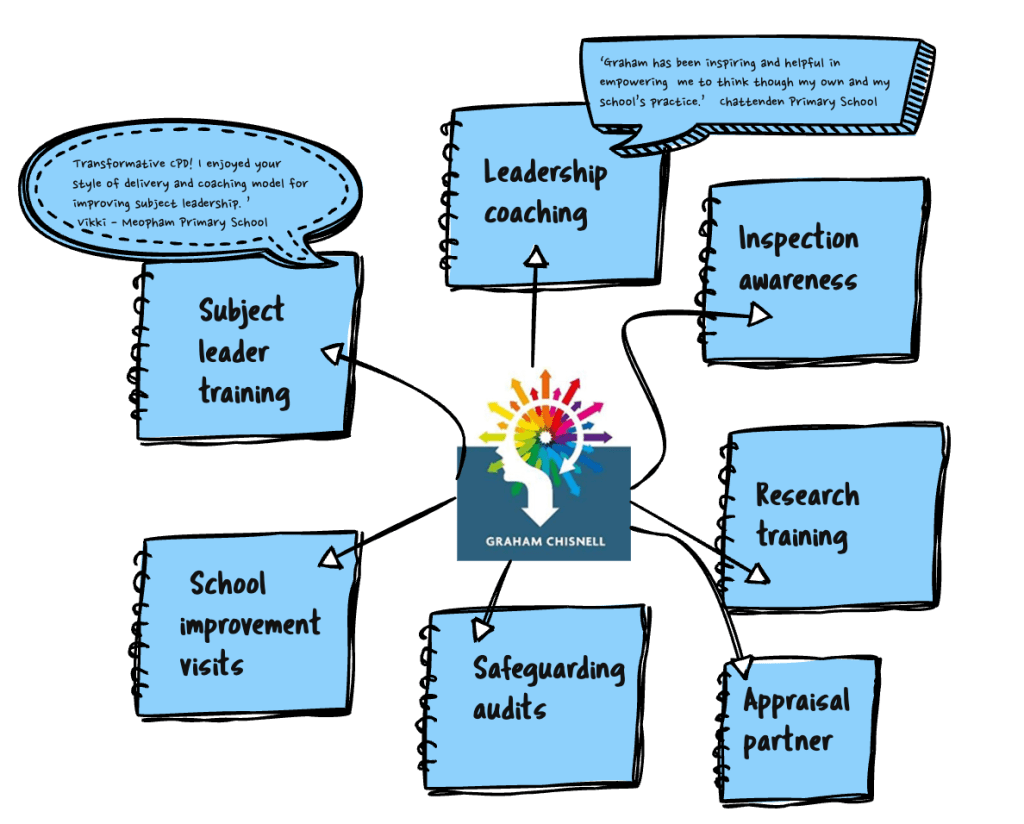




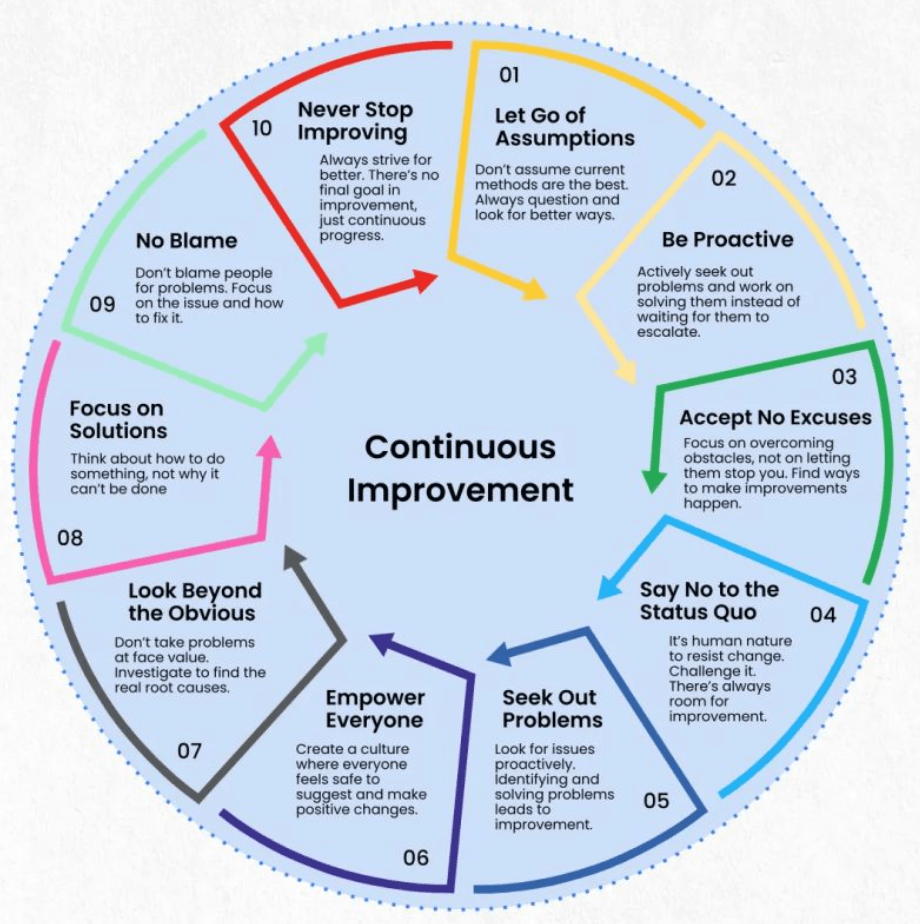
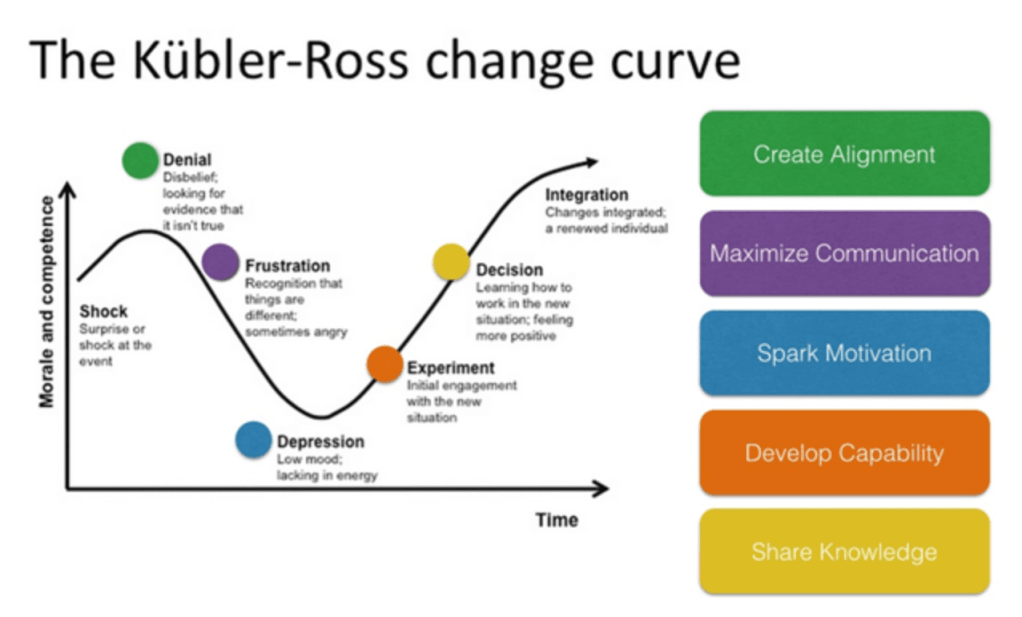
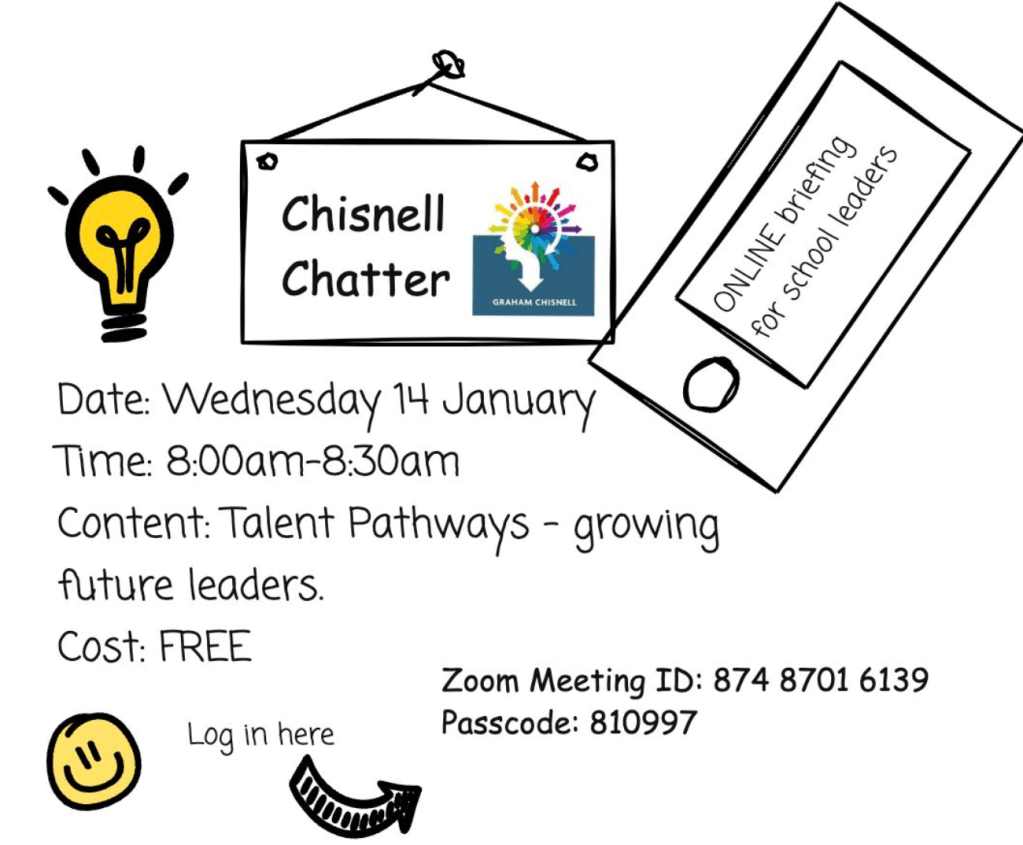










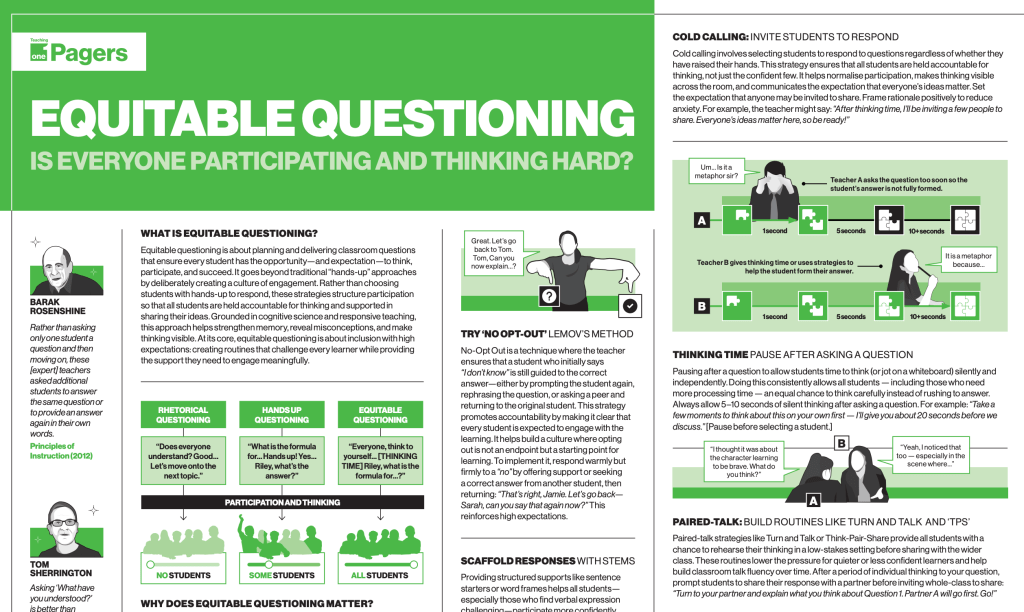




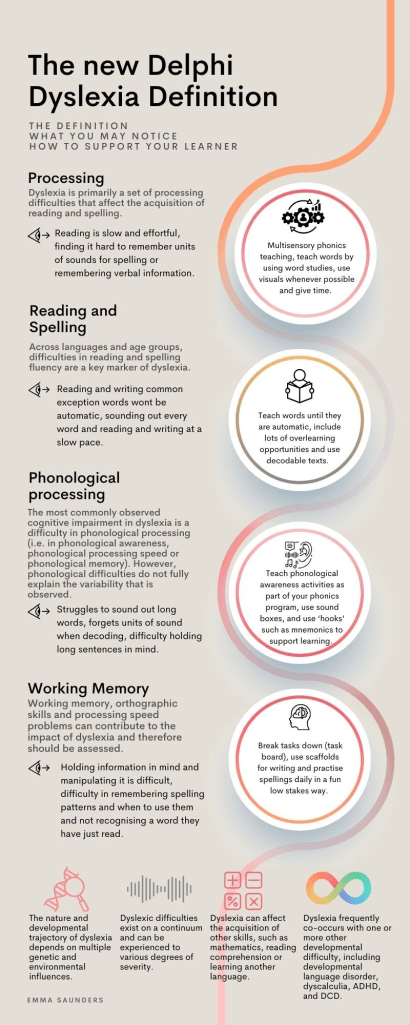

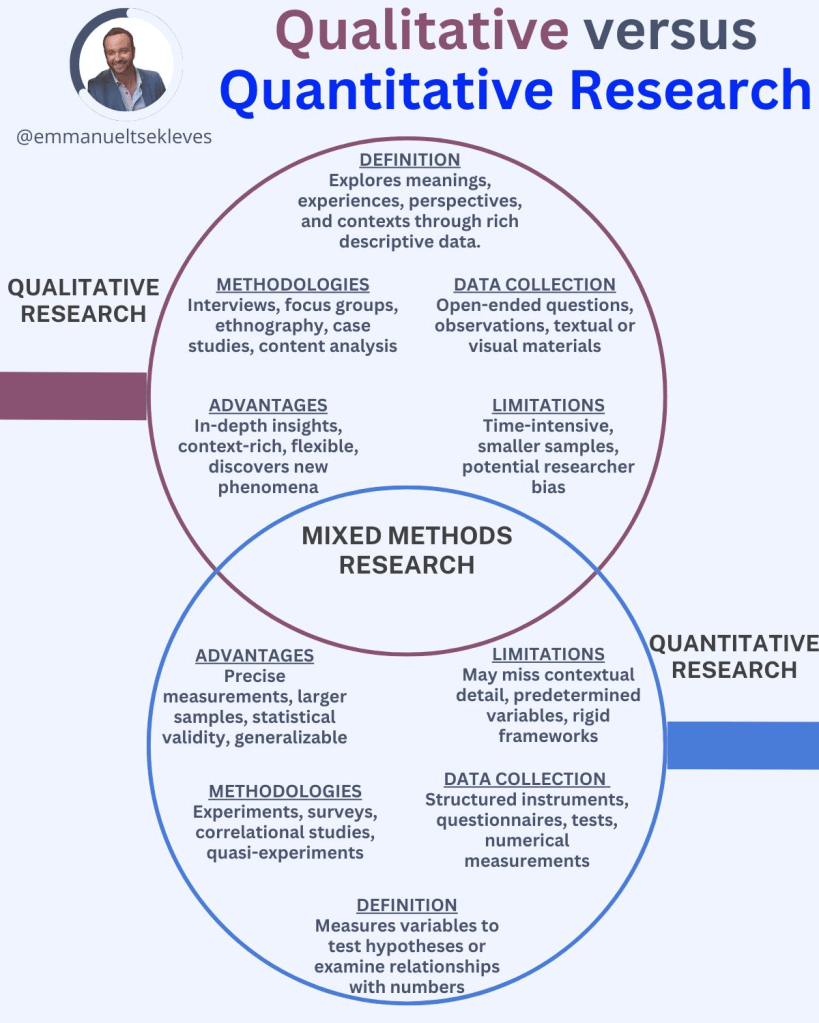

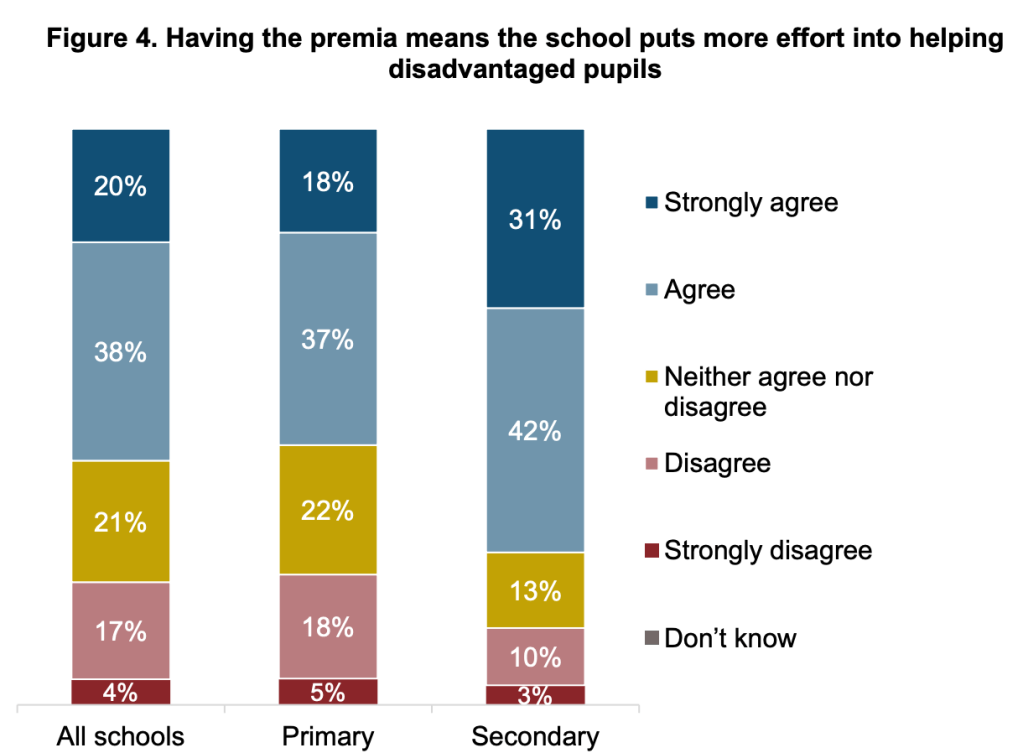
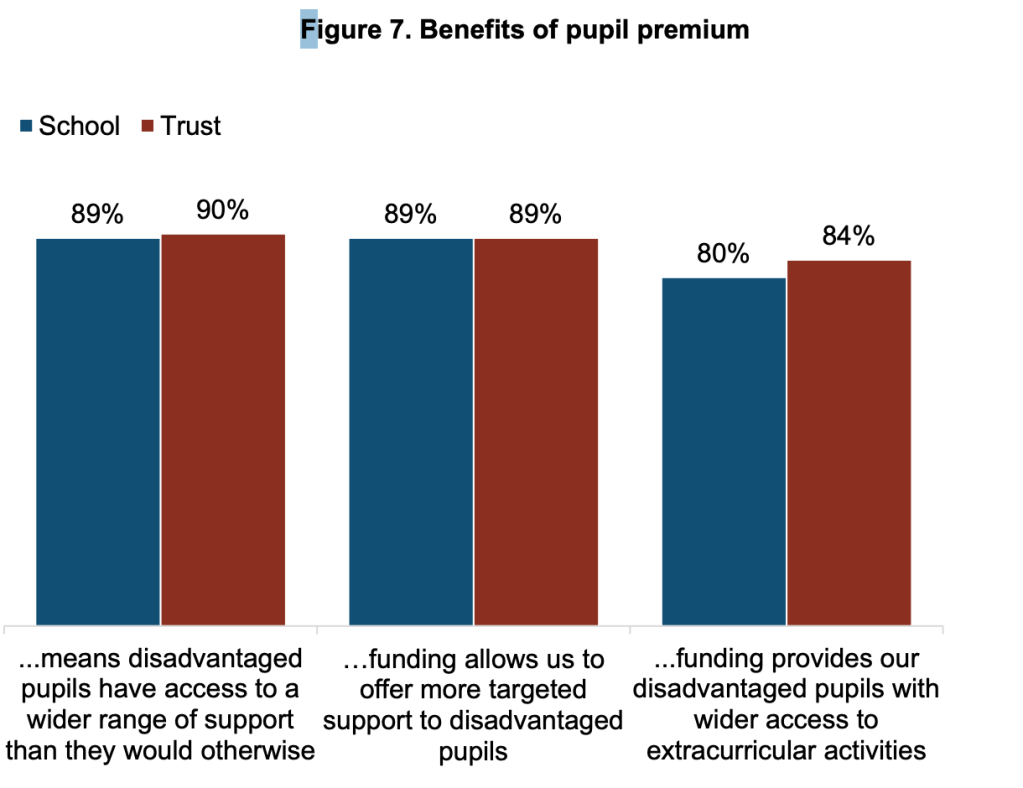
 Irresistible Learning